Natural Hazard Alerts for Railways

Our natural hazard detection system warns railways in real-time of potential natural hazards including:
With additional in-track validation future hazard applications include:
Our railway safety monitoring system works by detecting and classifying ground vibrations along railway routes using fiber optic cables. We listen for characteristic impacts caused by falling rocks, moving earth and other geohazards.
We use a single, often pre-existing optical fiber running alongside the track to monitor vibrations, providing continuous protection along the entire railway route. Using pre-existing dark fiber infrastructure further speeds and simplifies the roll out of whole route hazard detection.
We monitor up to 100 km of fiber with a single sensor, equivilent to protecting around 80km or 50 miles of rail track with each monitoring unit.
Rockfall Detection
Landslide Detection
Falling Object Detection
Treefall
Washout
Track Buckle / Sun Kink
Sink Holes / Subsidence
Avalanche
Earthquake
CCTV Integration
Drone Integration
Traditional natural hazard monitoring solutions for rockfall, landslide and other hazards often rely on many discrete point sensors measuring only very local disturbances. Spacing sensors further apart risks missing critical hazards. Protecting significant distances requires hundreds or thousands of sensors to install, power and maintain.
A single Sensonic device monitors up to 80km (50 miles) of track continuously and contiguously. That's over 1,000 times the range of a CCTV camera, and over 15,000 times that of a tilt/pole sensor.
Traditional cable and wire rockfall monitoring systems are not only prone to failure and false alarms, but they also require manual reset by staff on-site in the event of activation and are often blind to new events until that reset is complete.
Similarly, when displaced by ground movements, tilt and pole sensors need re-installing into the unstable slopes they have just moved from, a potentially hazardous and time-consuming task.
Fiber optic sensing in contrast needs no on-site resets.
Solutions using a multitude of sensors require power and communications - a significant challenge. Battery powered sensors increase maintenance requirements for battery replacement in often challenging locations. Wireless sensors are subject to interference and signal coverage challenges.
Fiber optic sensing uses a maintenance-free sensing element with a lifespan measured in decades. Measurement hardware is located alongside signalling or telecoms equipment giving safe, simple and secure access and is designed for rail levels of reliability (MTBF > 15 years).
Sensonic natural hazard monitoring makes whole route protection not only possible, but practical and prudent too.
2026-04-29 · Daniel Pyke · 11min
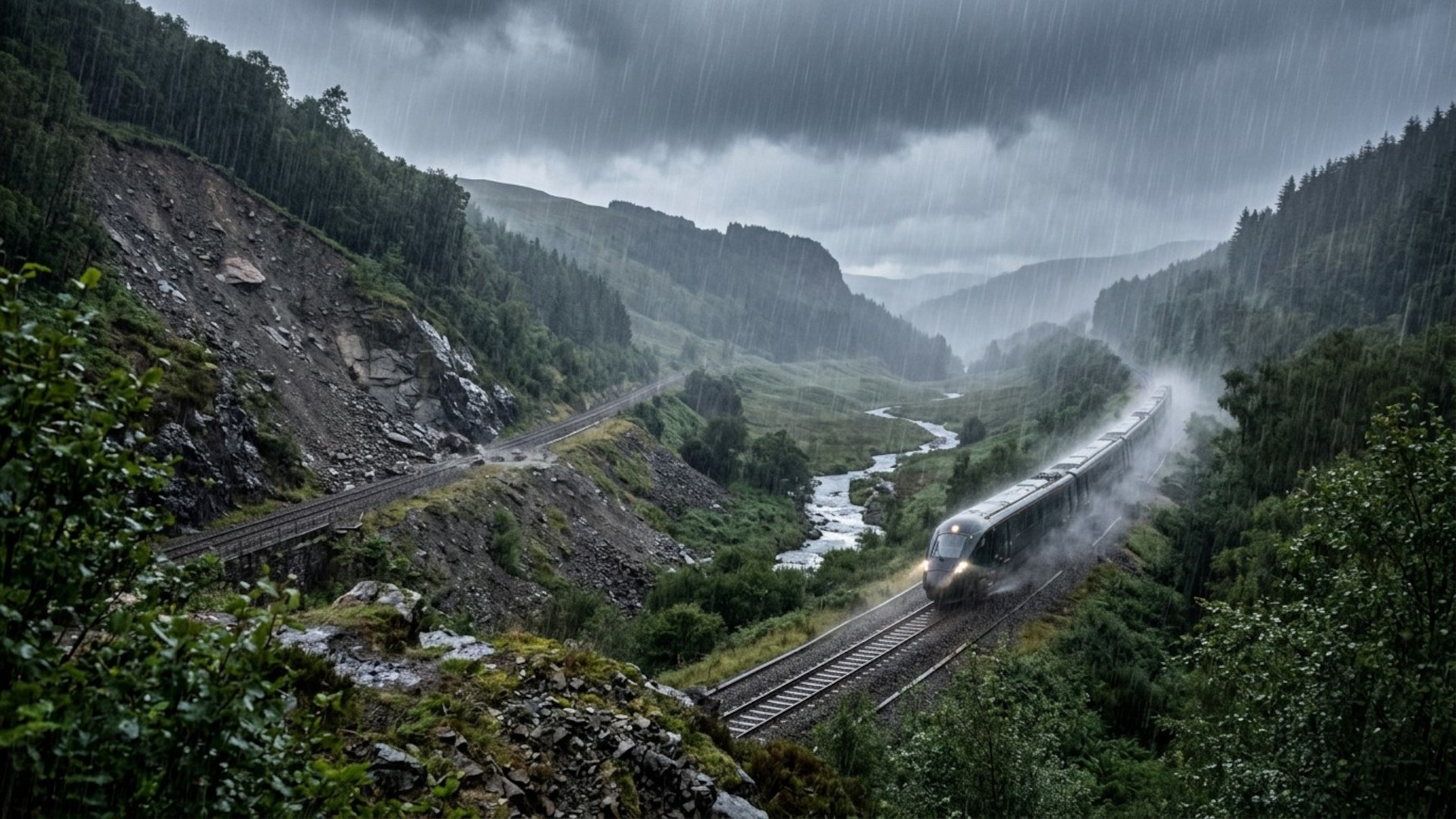
How can we make smarter decisions about rail weather resilience?
Read more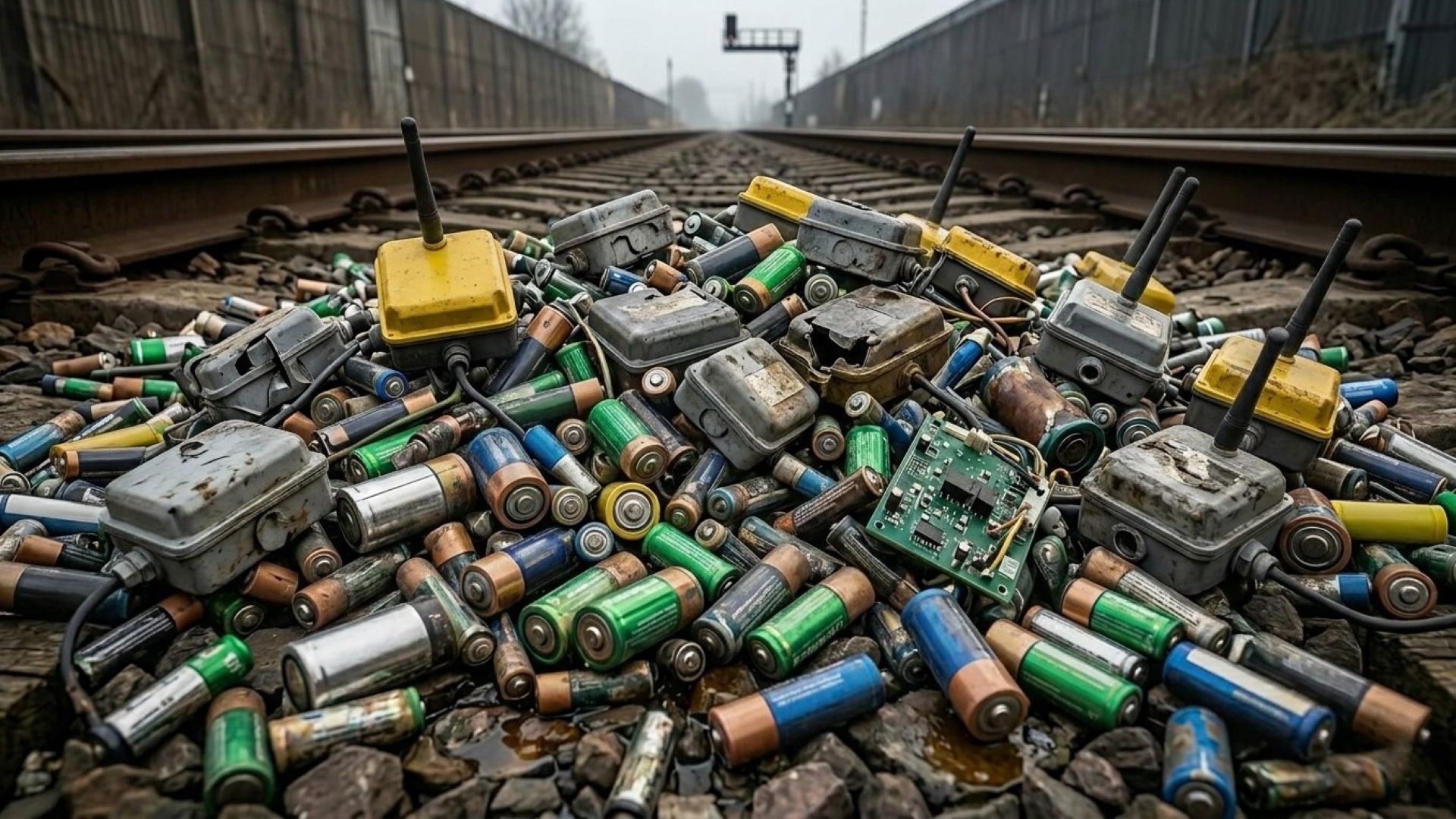
2026-03-24 · Daniel Pyke · 8min
Do we need more sensors or more sense?
Read more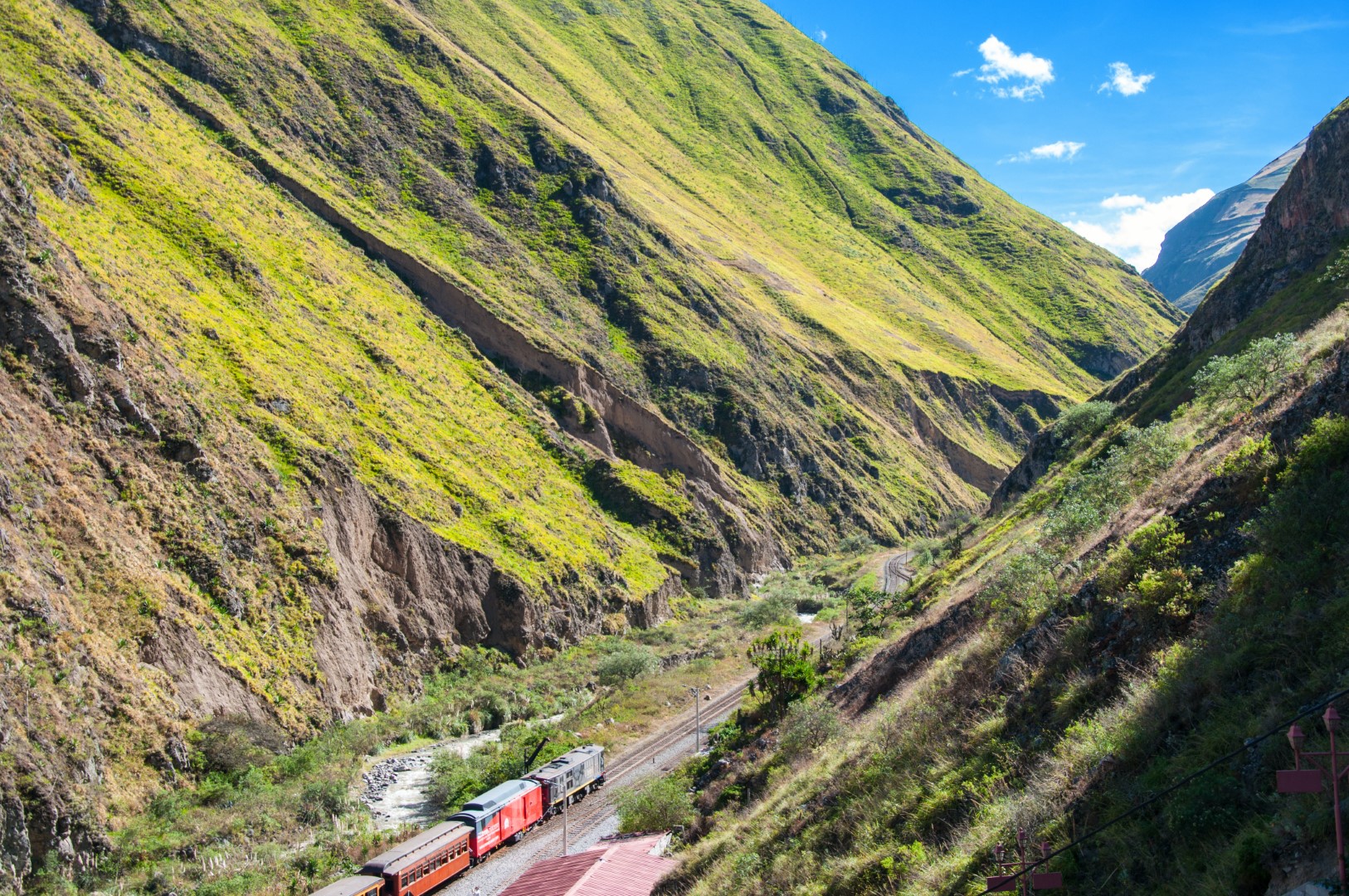
2026-03-10 · Daniel Pyke · 7min
We can't monitor entire rail routes... Can we?
Read more