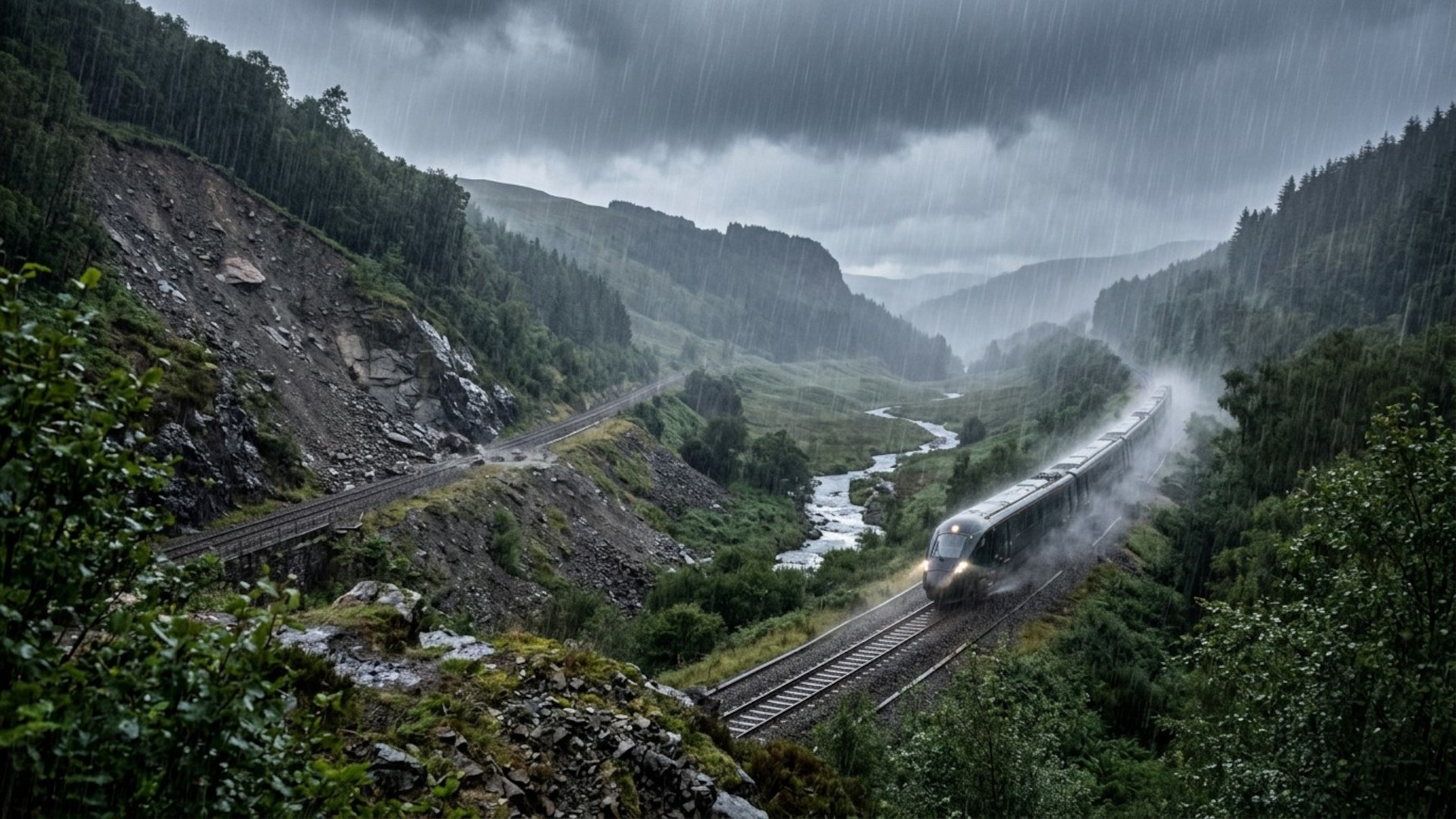
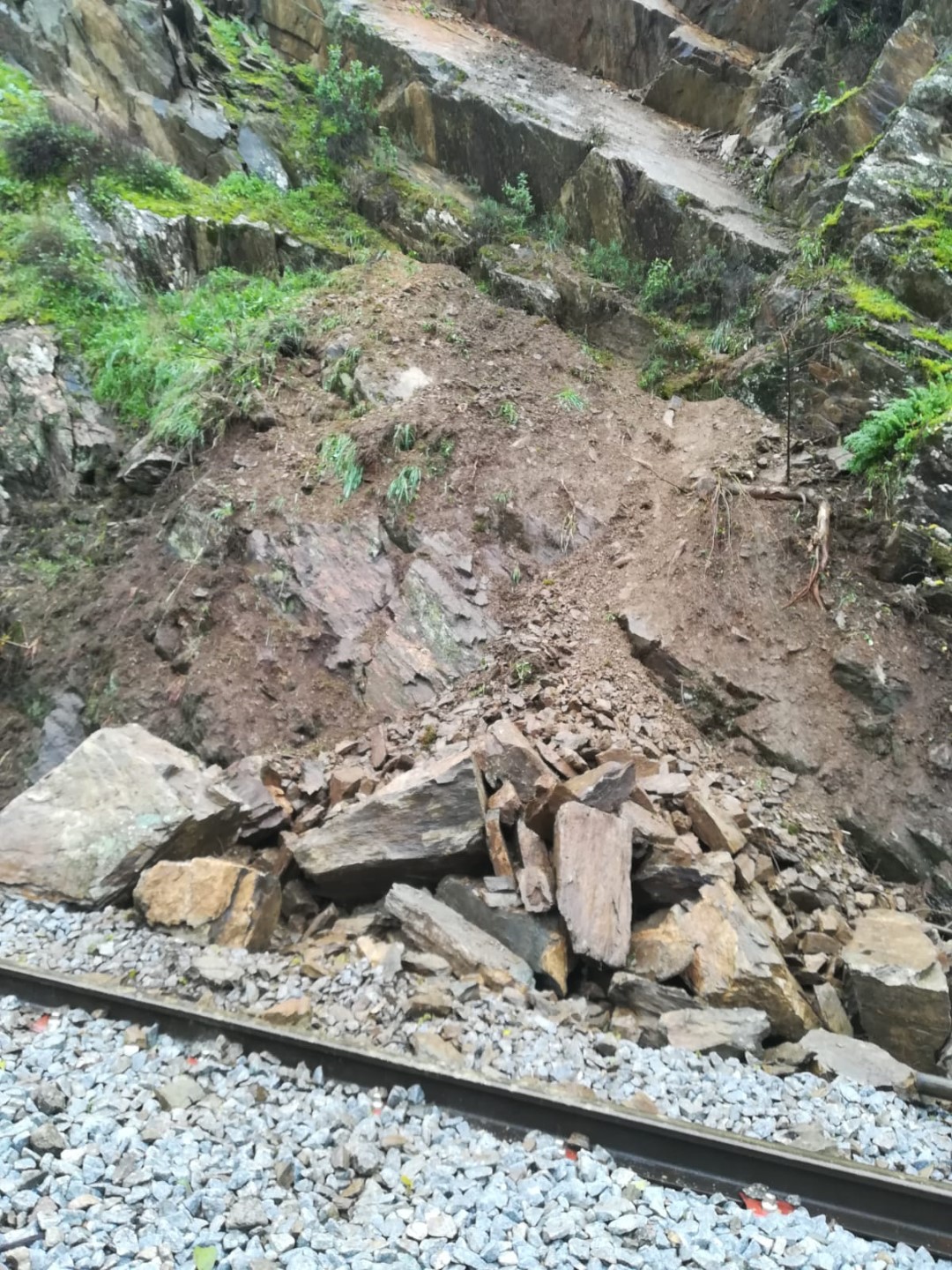
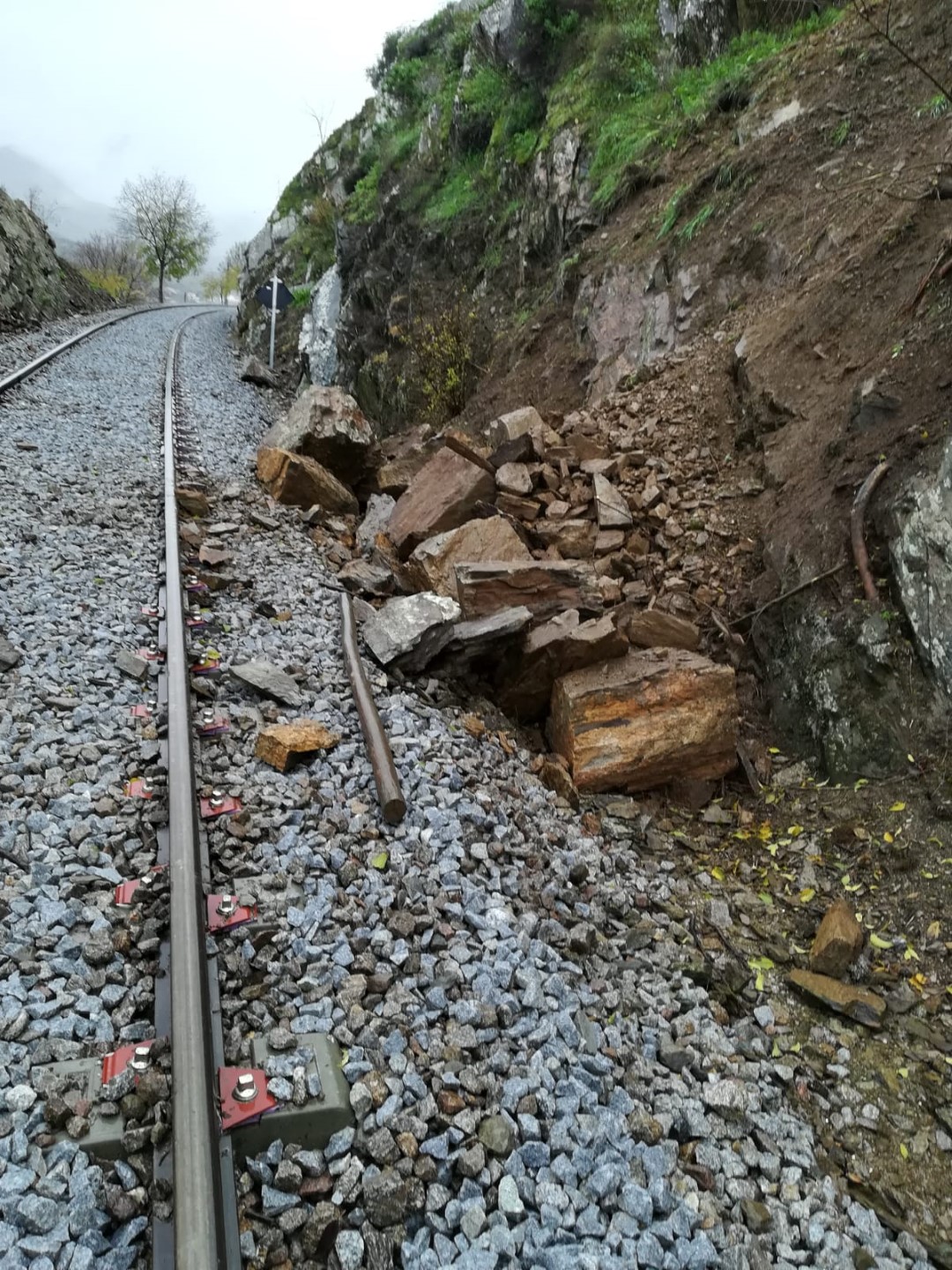
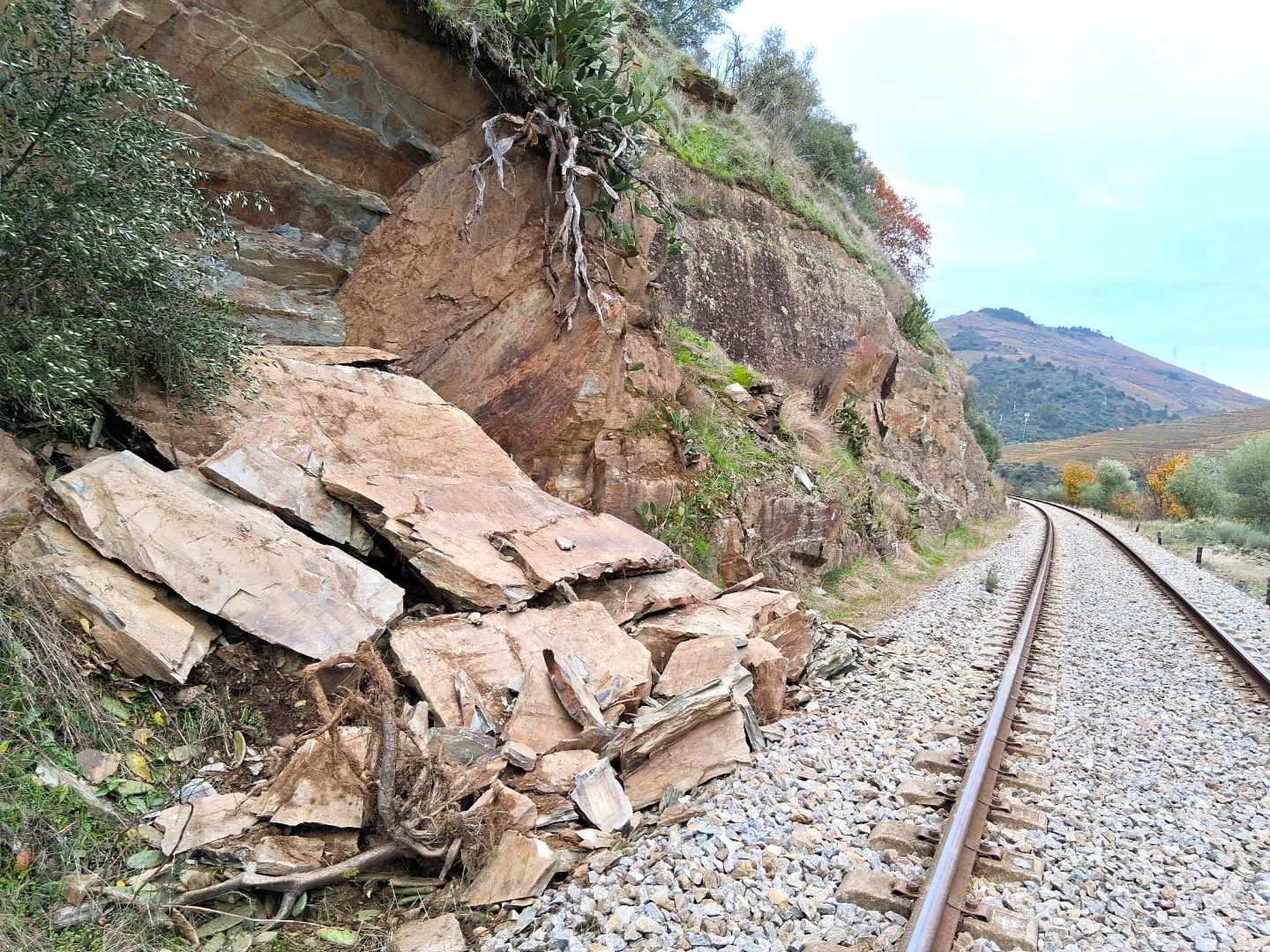
Landslides, including failed earthworks and associated structures pose a grave and escalating threat to railway safety and operations. These unpredictable events can lead to catastrophic accidents, jeopardising the lives of passengers and staff and causing extensive damage to rolling stock and critical infrastructure. The risks increase with the potential for a derailment to trigger the release of hazardous materials from freight trains, creating a serious environmental and public health impact.
The increasing frequency and intensity of extreme weather, driven by climate change, is making these ground failures more common as extended periods of wet or dry weather increase, destabilising slopes and embankments and raising stress on structures.
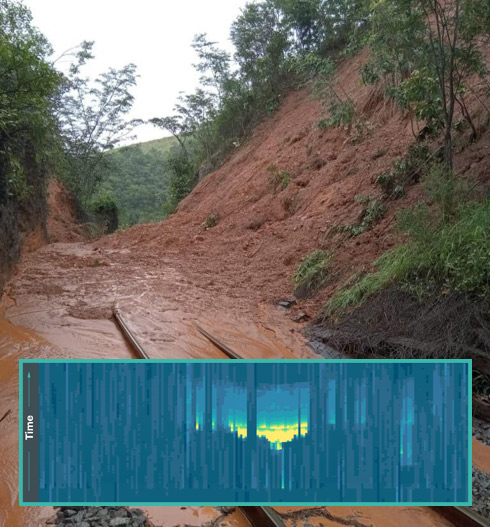
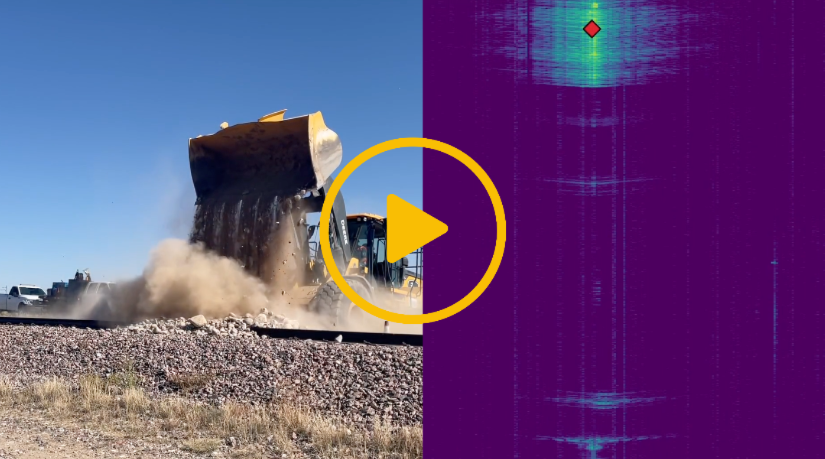
Our Distributed Acoustic Sensing (DAS) technology offers real-time detection and precise location of rapid ground movements such as landslides and earthwork failures across entire rail routes. By continuously monitoring the acoustic signatures of moving earth, our system delivers vital, near-instantaneous alerts, empowering operators to take immediate action and effectively mitigate these challenging risks.
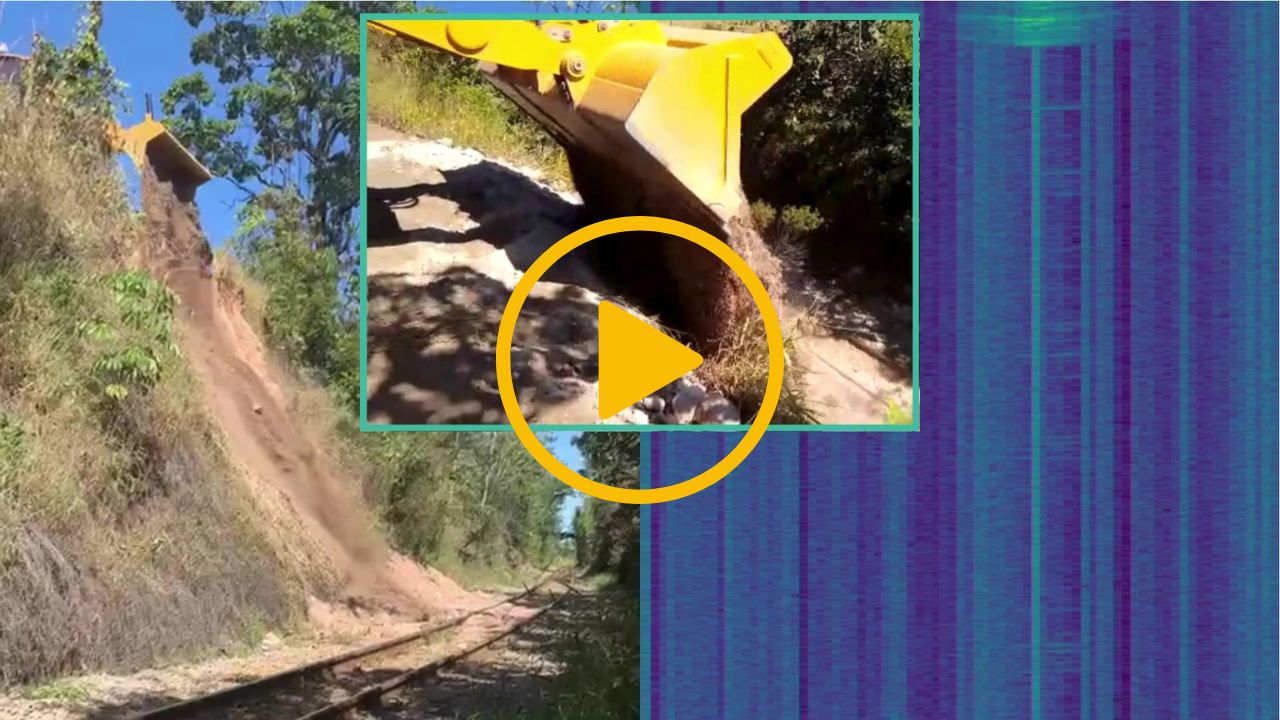
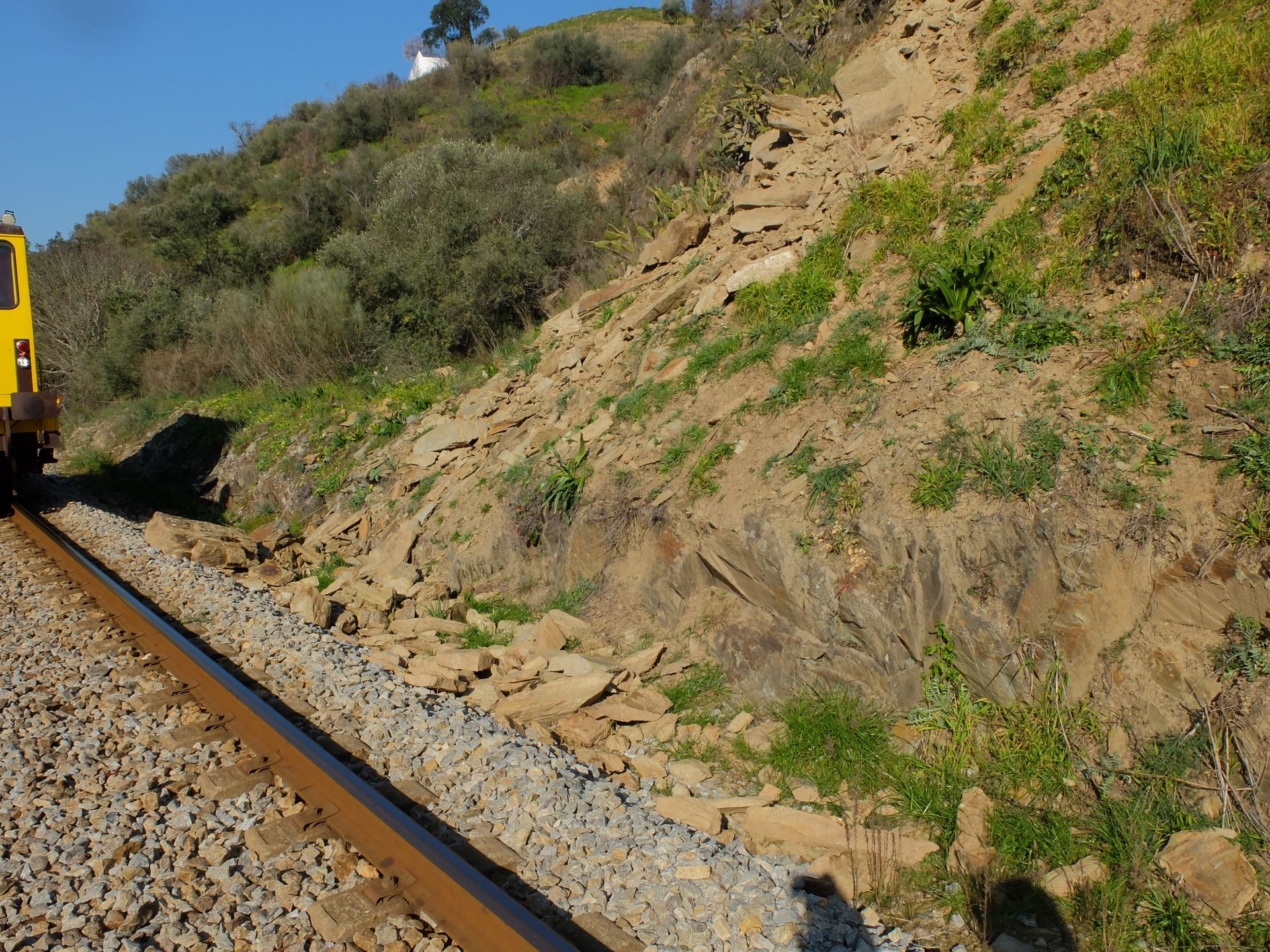
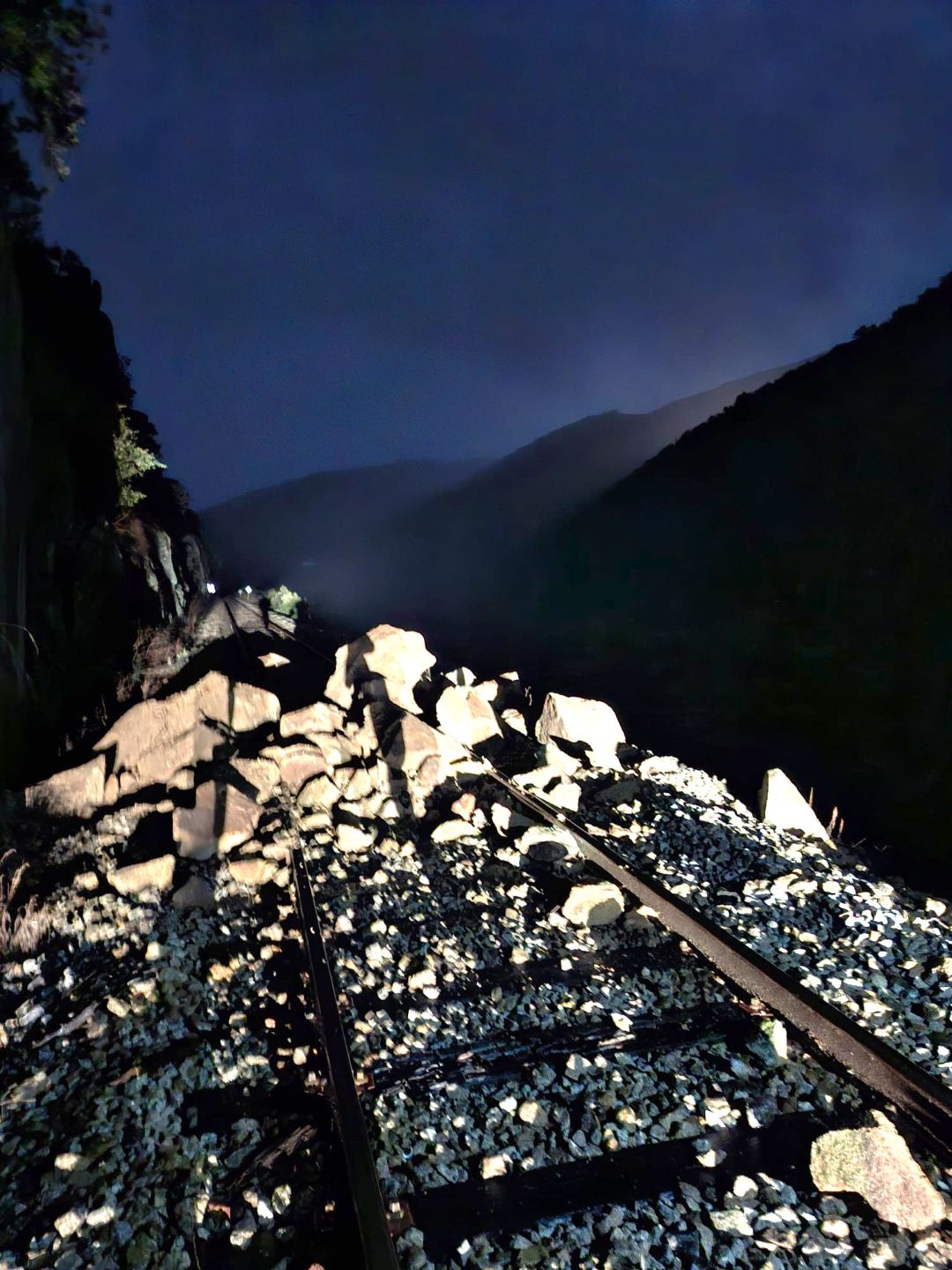
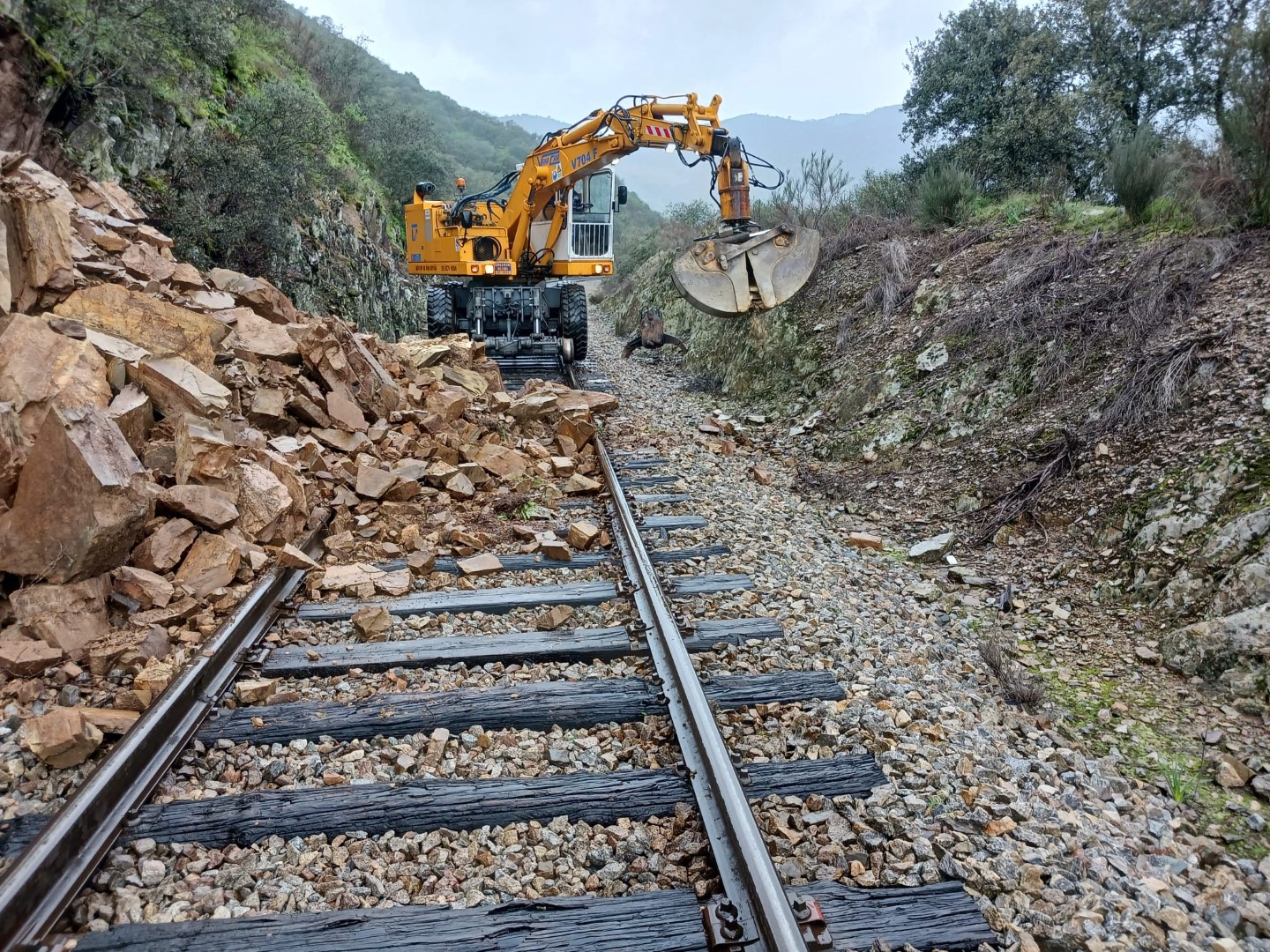
Here is a selection of the landslides we have alerted railways to so far. They range from smaller landslides, not immediately jepordising rail traffic, up to significant landslides and mudslides which completely obstruct the rail route.
Up to 80km of railway monitored 24/7
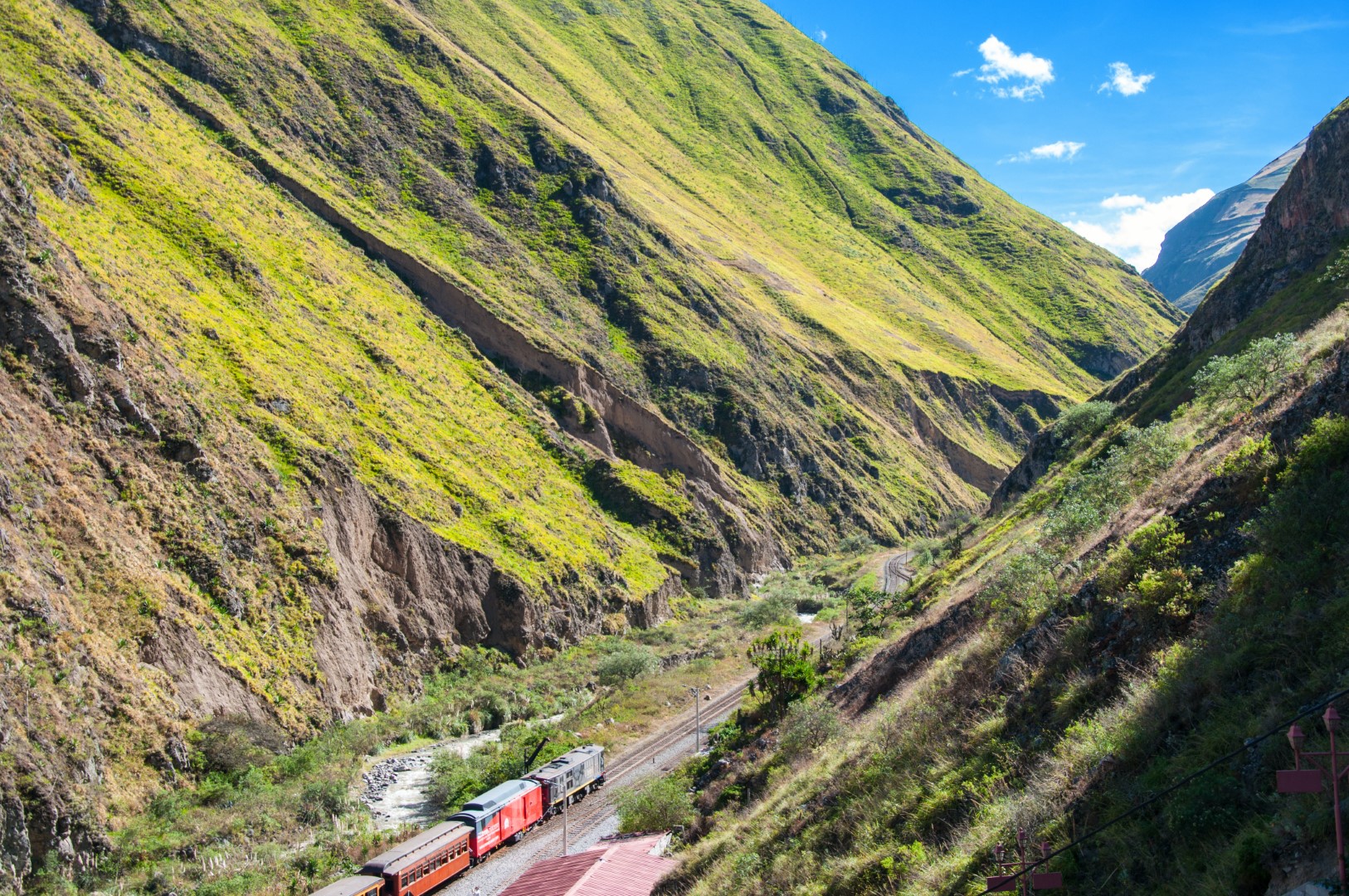
Fiber optic sensing, specifically Distributed Acoustic Sensing (DAS), allows a single sensing unit to monitor up to 100km of fiber from a single secure location. This equates to around 80km / 50 miles of rail route that can be monitored for landslides by each sensing unit. No longer do you have to predict where a landslide might occur as entire routes can be monitored.
This long-range monitoring capability is also essential for coverage of remote areas where power and communications access may be limited. By securing railway monitoring technology in existing signalling or equipment rooms, operators can achieve comprehensive asset visibility without burden of installing and powering thousands of individual point sensors across large distances.
Resilience built-in
Fiber optic cables buried or in troughs are inherently protected from the destructive forces of nature. While trackside poles, antennas and sensors can be damaged by storms, extreme weather or local vandals, a subterranean fiber cable remains operational so long as it is not physically broken. If a fiber breaks, then the excessive ground movement likely jepordises rail safety too.
Fiber optics are also immune to Electromagnetic Interference (EMC) from both railway sources such as traction power systems, signalling or track vehicles, as well as external sources both natural and nefarious. This resistance to external interferance avoids false alarms or compromised detection performance.
No protection blind spots
Traditional landslide monitoring in rail networks often relies on manual inspections or reports from drivers which may come too late to ensure train safety. Electronic sensors such as pole, tilt, displacement and strain monitors can be used to monitor a single specific spot on an earthworks asset where they are installed, but their short range of detection makes full route coverage impractical.
Fiber optic sensing turns the entire length of telecoms grade cable into a high-fidelity sensor array, providing 100% spatial coverage along its length. There are no gaps and no infrastructure "blind spots". This gapless detection ensures that regardless of where a slope failure occurs, above or below a rail route, even in unexpected areas, the system can identify the ground movements providing superior landslide monitoring protection.
No trackside maintenance
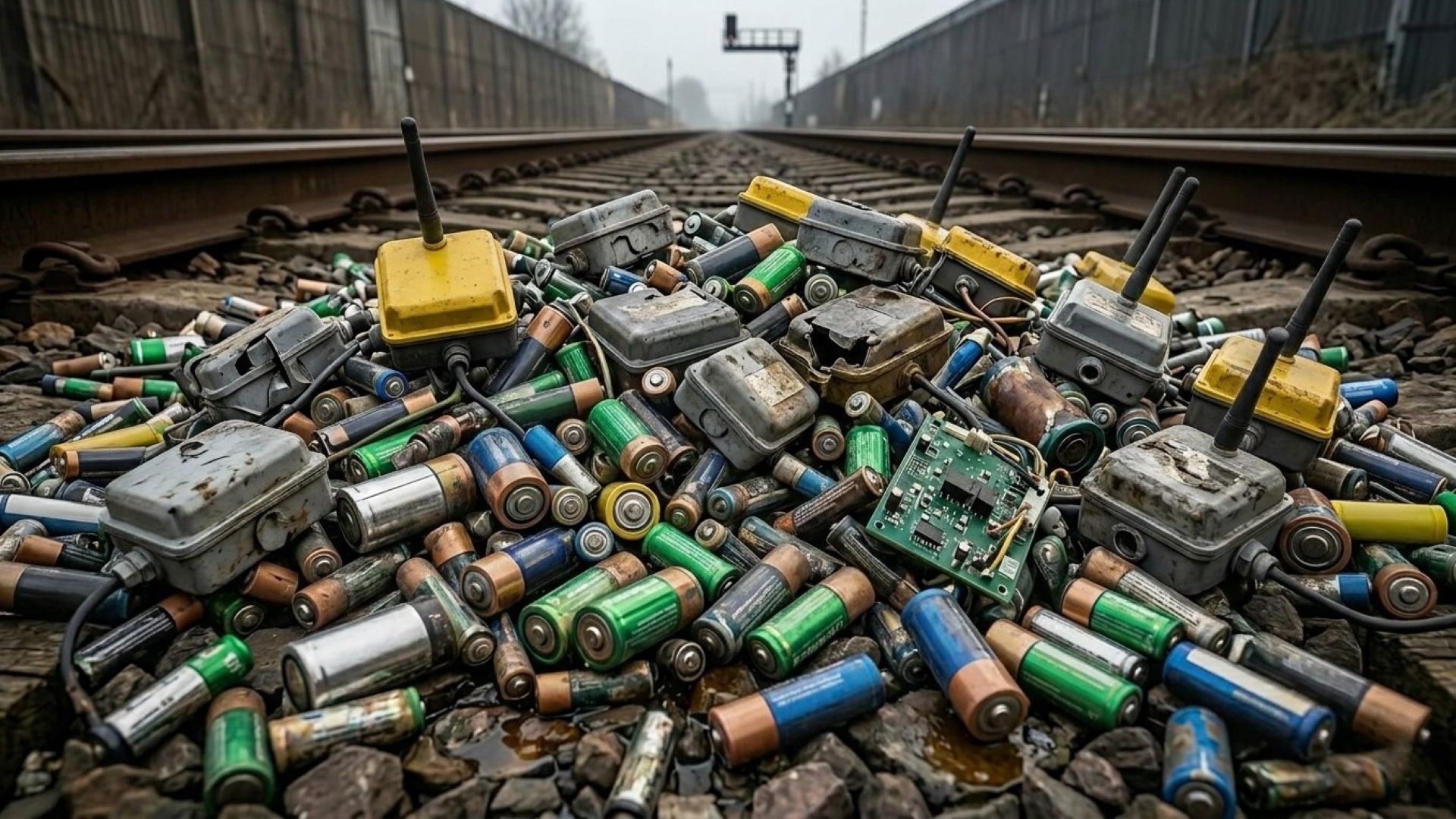
Historic trackside sensors and monitors require maintenance to replace batteries or reset sensors after vandalism, a weather event or a false alert. This maintenance and reset requirement rapidly grows as the number of sensors and length of monitored route increase. Eventually this maintenance mountain can become too intense to adequately support especially in remote areas.
Fiber optic sensing requires no trackside power, no batteries, no resets - no regular trackside maintenance at all. The sensing element is a passive glass fiber with a lifespan measured in decades. So long as the fiber remains unbroken landslide alerts remain active, even when multiple events occur. There are no trackside components that wear out or require resets in the field. This delivers a truly scalable, maintenance-free solution, reducing time spent maintaining intelligent assets ultimately leading to lower long-term costs.
Interferance immune and no coverage blackspots
IoT-based sensor solutions depend on cellular, radio or wi-fi networks to transmit alerts. These same radio networks can suffer performance problems during the extreme weather events which can trigger landslides, leading to a loss of critical asset safety information. An intermittent result from a sensor cannot be trusted. Is it signal interferance? Or is the sensor now buried by a landslide?
Fiber optic sensing uses the fiber itself as the data carrier, transmitting data at the speed of light through the fiber to safer and more secure equipment and signalling rooms. This immunity to accidental or intentional radio interference, signal fading, or network congestion ensures that critical landslide alerts reach the operations centre reliably, even in the harshest weather conditions.
2026-04-29 · Daniel Pyke · 11min
How can we make smarter decisions about rail weather resilience?
Read more
2026-03-24 · Daniel Pyke · 8min
Do we need more sensors or more sense?
Read more
2026-03-10 · Daniel Pyke · 7min
We can't monitor entire rail routes... Can we?
Read more