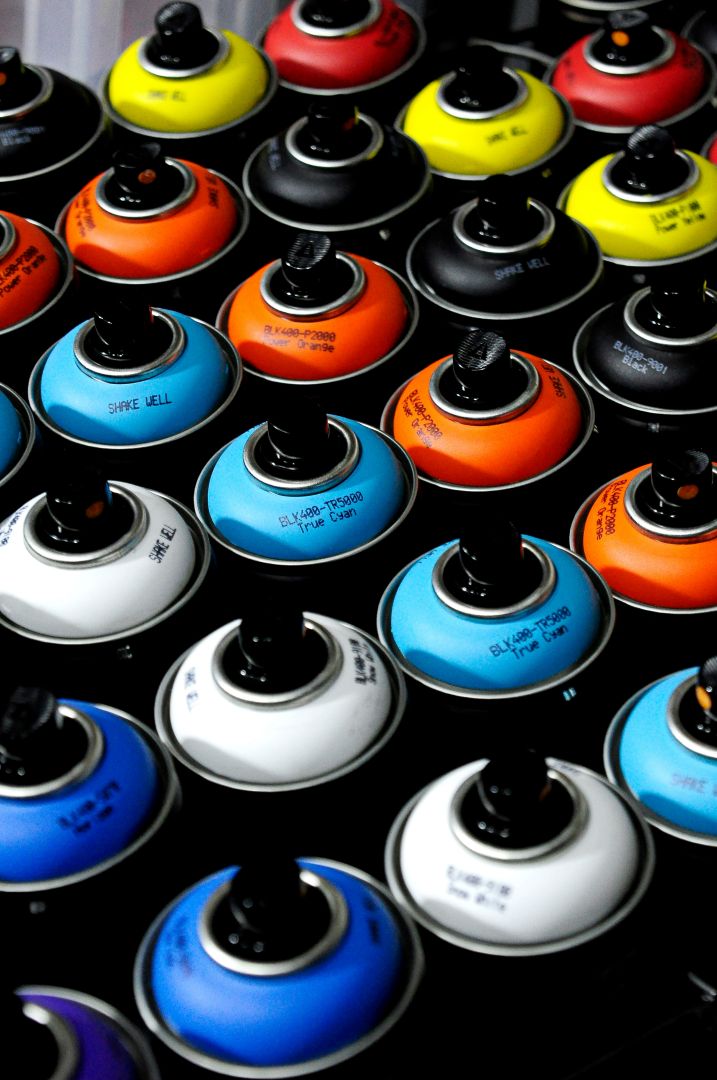
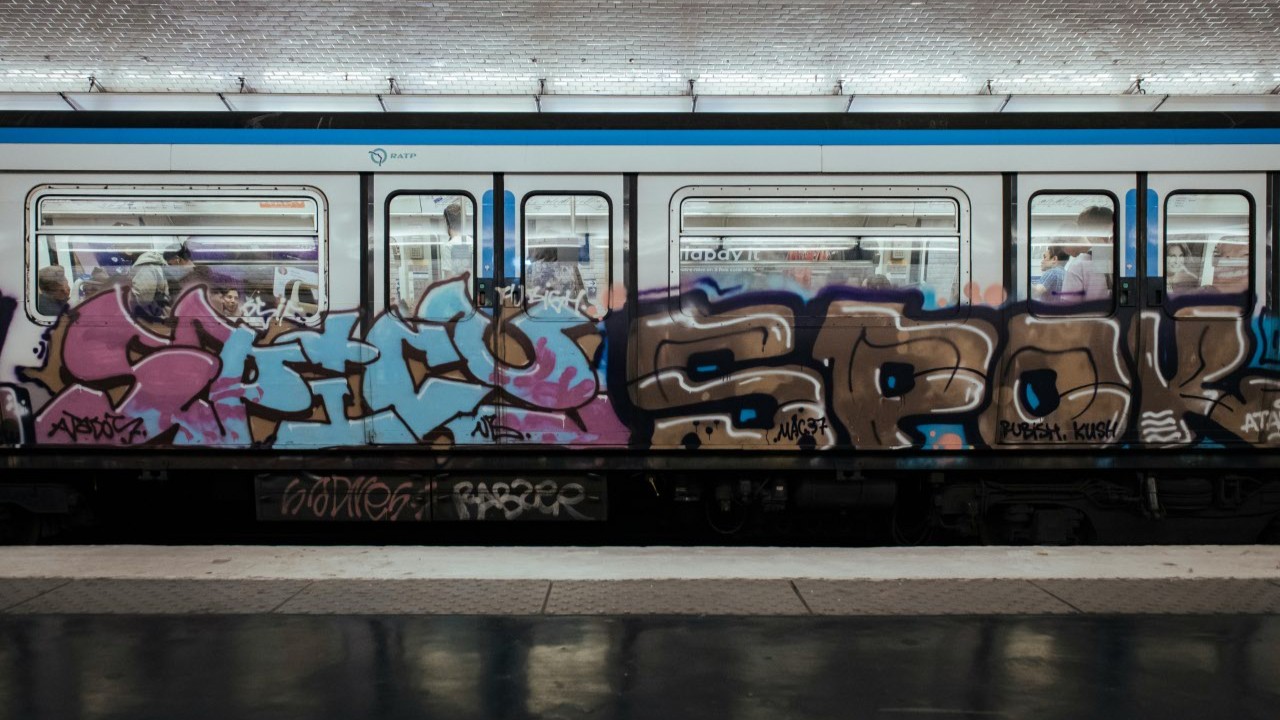
To a passer-by, graffiti can look like an eyesore or a minor nuisance. To a railway operator, it means money down the drain, trains out of service, and a steady chip-chip-chipping away at passenger confidence and satisfaction.
So what if your trackside infrastructure could hear intruders coming, long before the first can is shaken?
The Cost of Trackside Vandalism
Graffiti is a persistent problem for rail networks worldwide. Tunnels, bridges, noise barriers, signalling equipment and trains stabled in sidings are all prime targets. And every tag starts with trespass: someone walking onto a live railway, putting themselves, as well as your staff and services at risk.
The numbers add up fast.
- Deutsche Bahn puts graffiti damage to its trains and facilities at around €12 million per year.
- Transport for London has said it spends up to £11 million a year tackling graffiti on Tube trains
- Network Rail has estimated its own clean-up bill at around £3.5 million per year.
- Graffiti made up over 65% of Renfe's 6,568 vandalism incidents in Spain in 2024, and puts its total costs at around €25 million.

The catastrophic clean-up cost is only part of the story:
- Rolling stock out of service. Heavily tagged trains are withdrawn for specialised chemical cleaning or repainting. That means shorter formations, cancelled services and cars sat idle rather than earning revenue.
- Eroded passenger trust. Widespread graffiti signals urban disorder and neglect. Passengers feel less safe, satisfaction scores slip and some choose not to travel by train.
- Delays and disruption. Taggers trespassing on the line trigger emergency responses, speed restrictions or line closures while police search the area for people.
- Hidden hazards. Tags on signals, lineside cabinets or cab windows can obscure vital information or safety signs, creating risks for all trying to use the now graffiti covered equipment.
So how do we tackle these troublesome taggers, urban artists and graffiti gangs?
As you may expect there is no one magic fix to this slap-dash spray art. However modern Fiber Optic Sensing methods can be employed to keep tabs troublesome trespassers delivering increased intelligence to coordinate security responses.
Hearing intruders: Early warning with Distributed Acoustic Sensing (DAS)
Fences, patrols and fixed CCTV all have their place, but they are hard to scale across thousands of kilometres of track and remote sidings. Experienced vandals know where the cameras point and when the patrols pass.
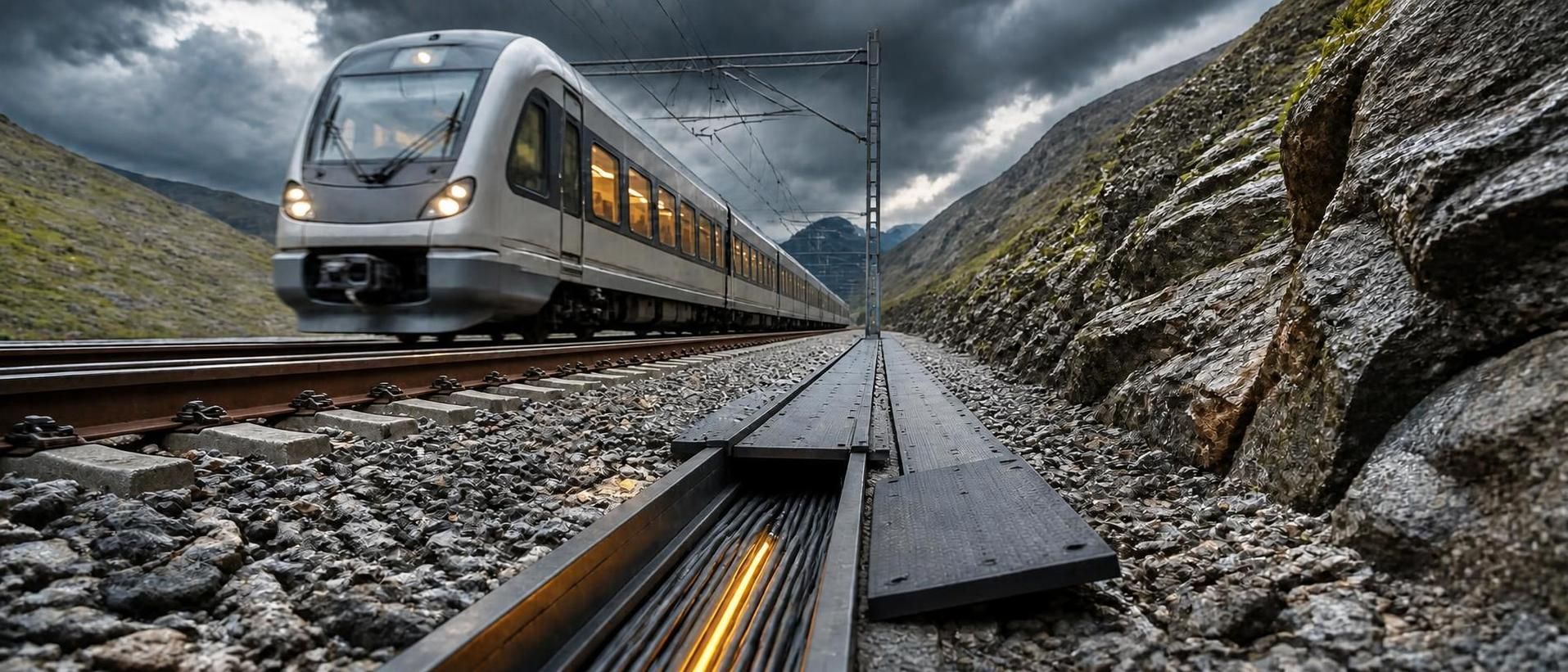
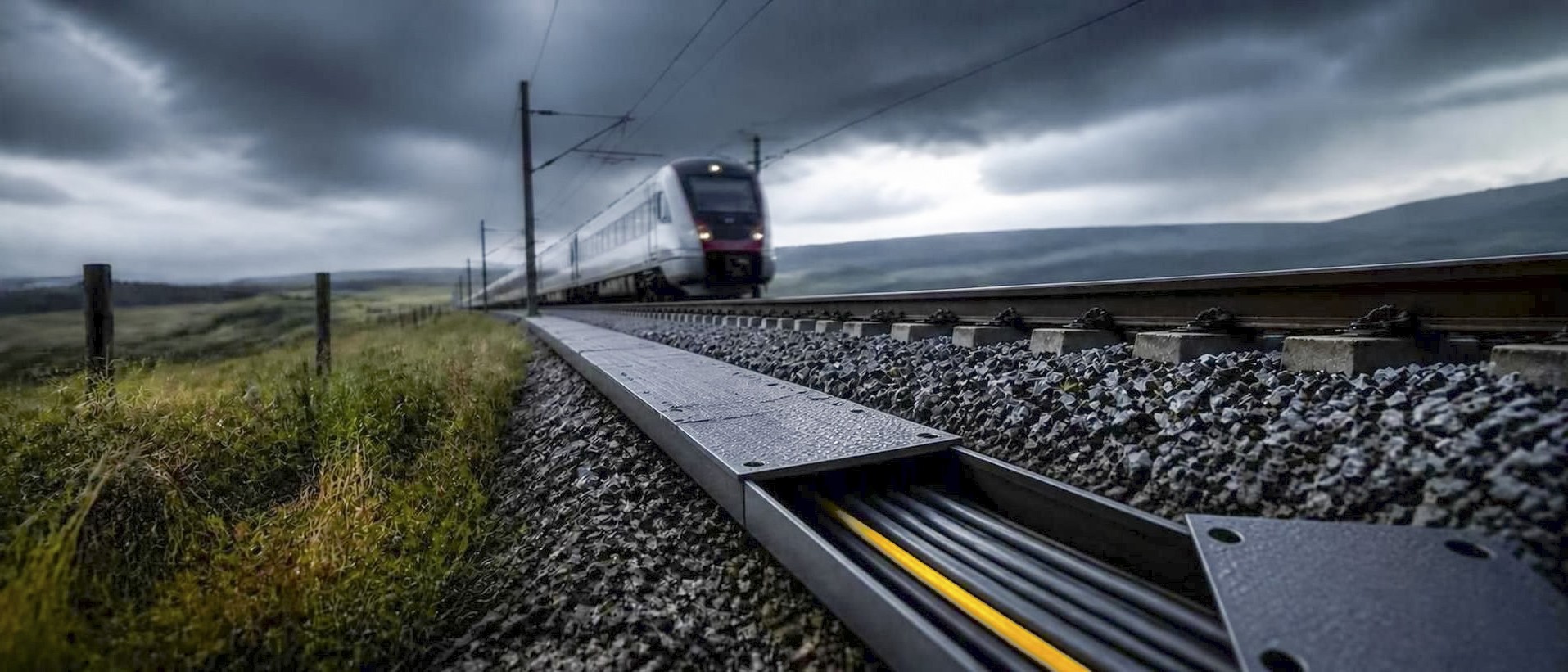
Distributed Acoustic Sensing (DAS) can't be spotted, because there is nothing new to see. We connect an interrogator (sensing unit), to the fiber optic cable often already running beside your track. That ordinary telecom fiber cable becomes a continuous, covert sensor, listening 24/7 along tens of kilometers/miles from a single sensing unit. DAS technology doesn't just listen for any lineside noise, it provides the location of it too.
How DAS detects vandalism threats
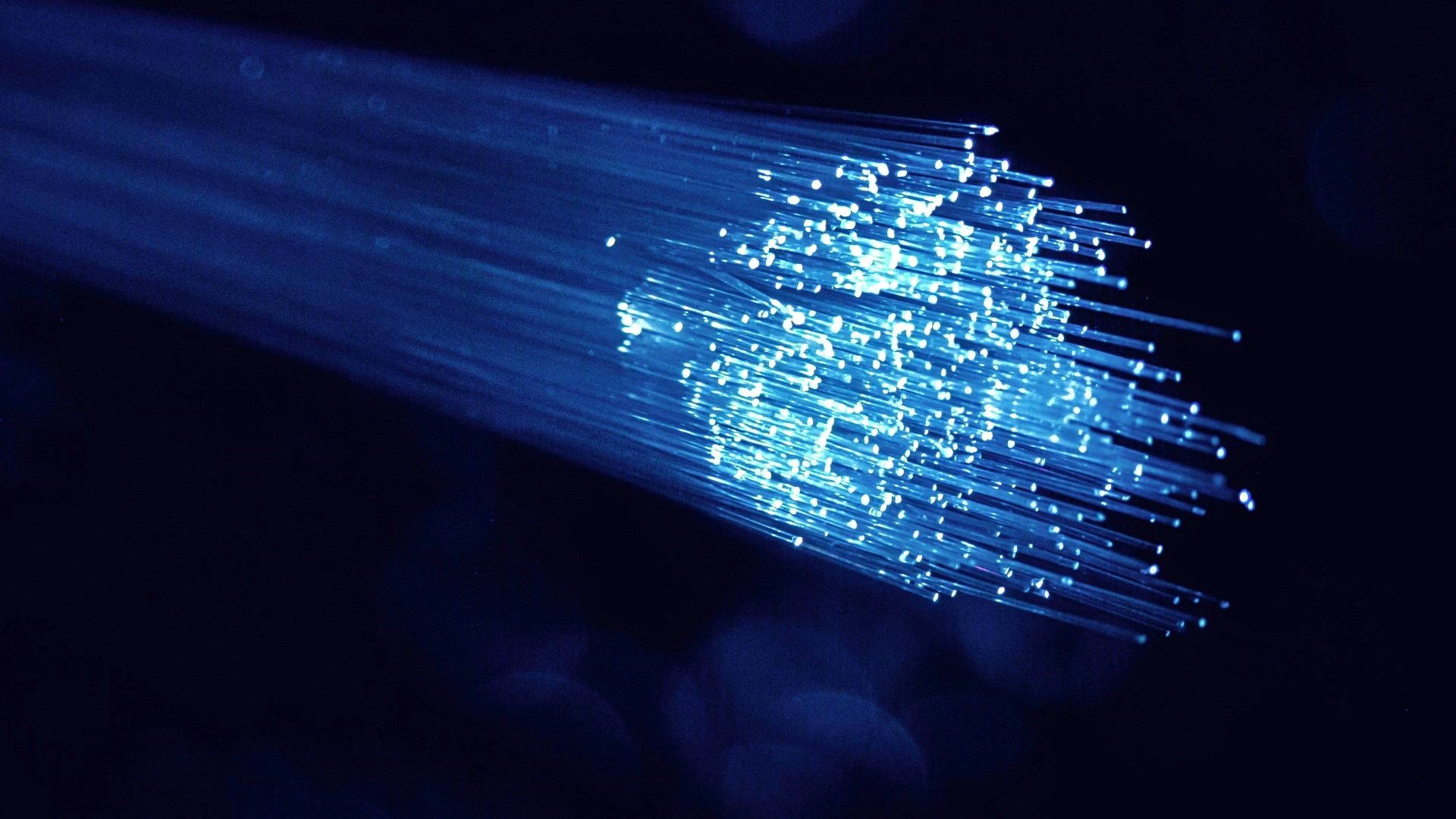
DAS sends pulses of light down the fiber and measures the tiny amount scattered back by vibrations along its length. Onboard processing an algorithms assess these acoustic signatures in real time, separating passing trains and background noise from the sounds of people where they shouldn't be. Read more about the technology here.
Long before a can is shaken, we can hear the build-up to the vandalism finale:
- Footsteps approaching the boundary fence
- Fences being cut or climbed, or gates forced
- Boots on ballast inside the boundary, over walkways, cable troughs, ties and track.
Instead of finding a freshly tagged train, wagon or wall in the morning, your security team gets geolocated, real-time alerts while the trespassers are still on their way in, spray cans still full.
From clean-up crews to real-time interception
With an always-listening early-warning network, your security strategy moves from scrubbing after the fact, to stopping it in the act.
We show your control room where an intrusion is happening, mapped to a location on your route, as it is happening, so you can send patrols, drones or police straight to the spot. When monitoring 100km of fiber we typically achieve +/- 10m location accuracy.
- Stop the vandals before they strike
- Keep more trains in service
- Cut costly clean-ups and
- Protect passengers' trust in a clean, safe and reliable railway.
Ready to hear trouble before it happens? Visit our security applications pages, or talk to our team about protecting your network.