Security Monitoring for Railways

Our security application monitors entire rail routes for activities that pose a threat to rail infrastructure and operations which include:
Integration with current and new technologies further enhances situational awareness and enables a timely and precise response
Realtime security information helps railway personnel make better tactical and strategic decisions. Integration with CCTV and/or drones enables railway personnel to identify and respond to imminent dangers and threats whilst also gathering critical evidence. Strategic use enables intelligence to be gathered over time to build risk profiles, to identify trends and patterns of suspicious activities, and to assess the effectiveness of security measures implemented.
Trespass Human Intrusion
Fence Disturbance
Cable Theft
Vehicle Intrusion
Mechanical Digging
Manual Digging
Animal Intrusion
CCTV Integration
Drone Integration
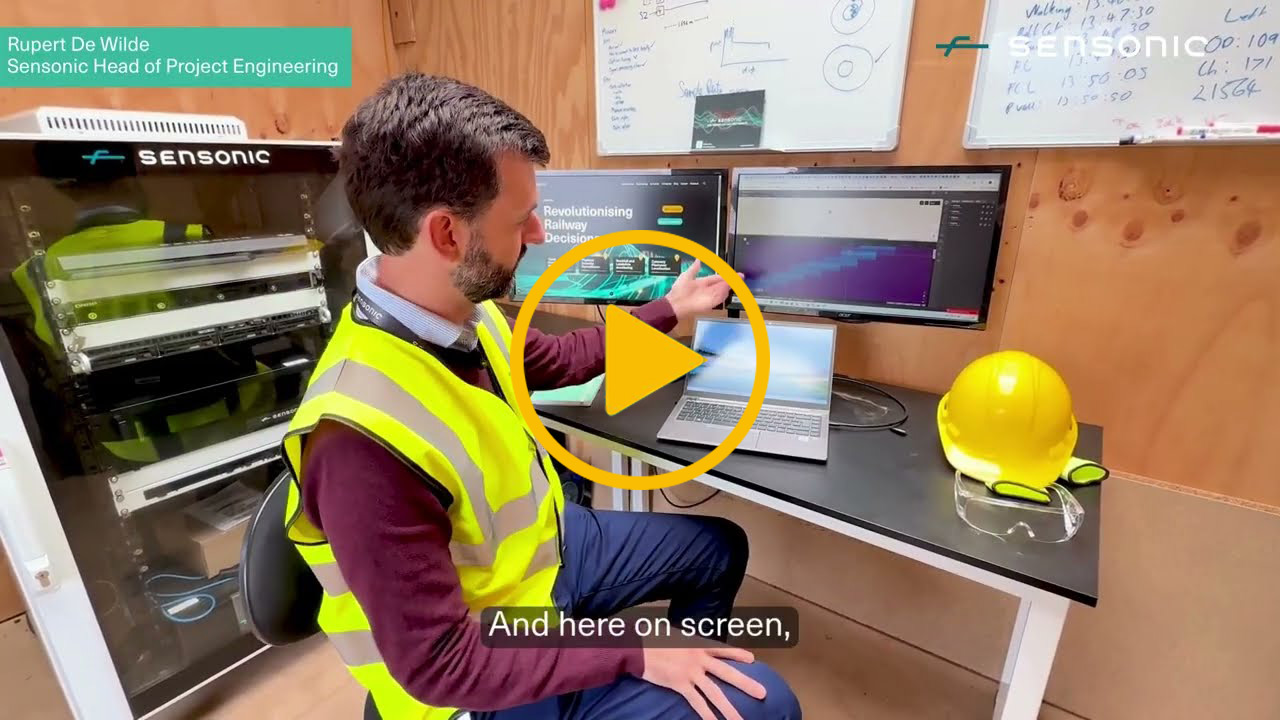
The Sensonic Innovation Farm in Hampshire is our dedicated fiber optic test facility for Distributed Acoustic Sensing (DAS). Spanning over 12 km of buried optical fiber in varied environments, it provides a safe, railway-free space to develop, test, and refine monitoring applications. The farm helps accelerate innovation, improve railway safety, and train partners without disrupting live rail operations.
Traditional security surveillance and monitoring solutions often rely on predicting problem locations and installing sensors and cameras to monitor that potential trouble hot spot. Protecting significant distances of track requires hundreds or thousands of sensors and cameras to install, power and maintain, a costly and impractical option for most railways and railroads.
A single Sensonic device, in contrast, monitors up to 80km (50 miles) of track continuously and contiguously via its covert fiber optic cable. That's over 1,000 times the range of a CCTV camera, bringing whole route security monitoring within reach.
Conventional security monitoring systems such as CCTV are reliant on line-of-sight, which can be interrupted by poor weather or even darkness and are also highly directional, so a savvy intruder simply approaches out of view, or in an area where cameras or sensors are not present.
Fiber optic sensing in contrast senses vibrations from footsteps or other activities via a hidden optical cable, so it is both covert and difficult to evade.
Surveillance solutions using a multitude of cameras and sensors require power and communications - often a significant challenge. Wireless communications can help but are subject to accidental and deliberate interference as well as signal coverage challenges.
Fiber optic sensing via Distributed Acoustic Sensing uses a maintenance-free fiber as the sensing element which has a lifespan measured in decades. These same fibers often form the backbone of critical telecommunications and railway signalling systems. Measurement hardware to sense the vibrations from the fiber is located alongside signalling or telecoms equipment giving safe, simple and secure access as well, as being designed for rail levels of reliability (e.g., MTBF > 15 years).
2026-07-27 · Daniel Pyke · 15min
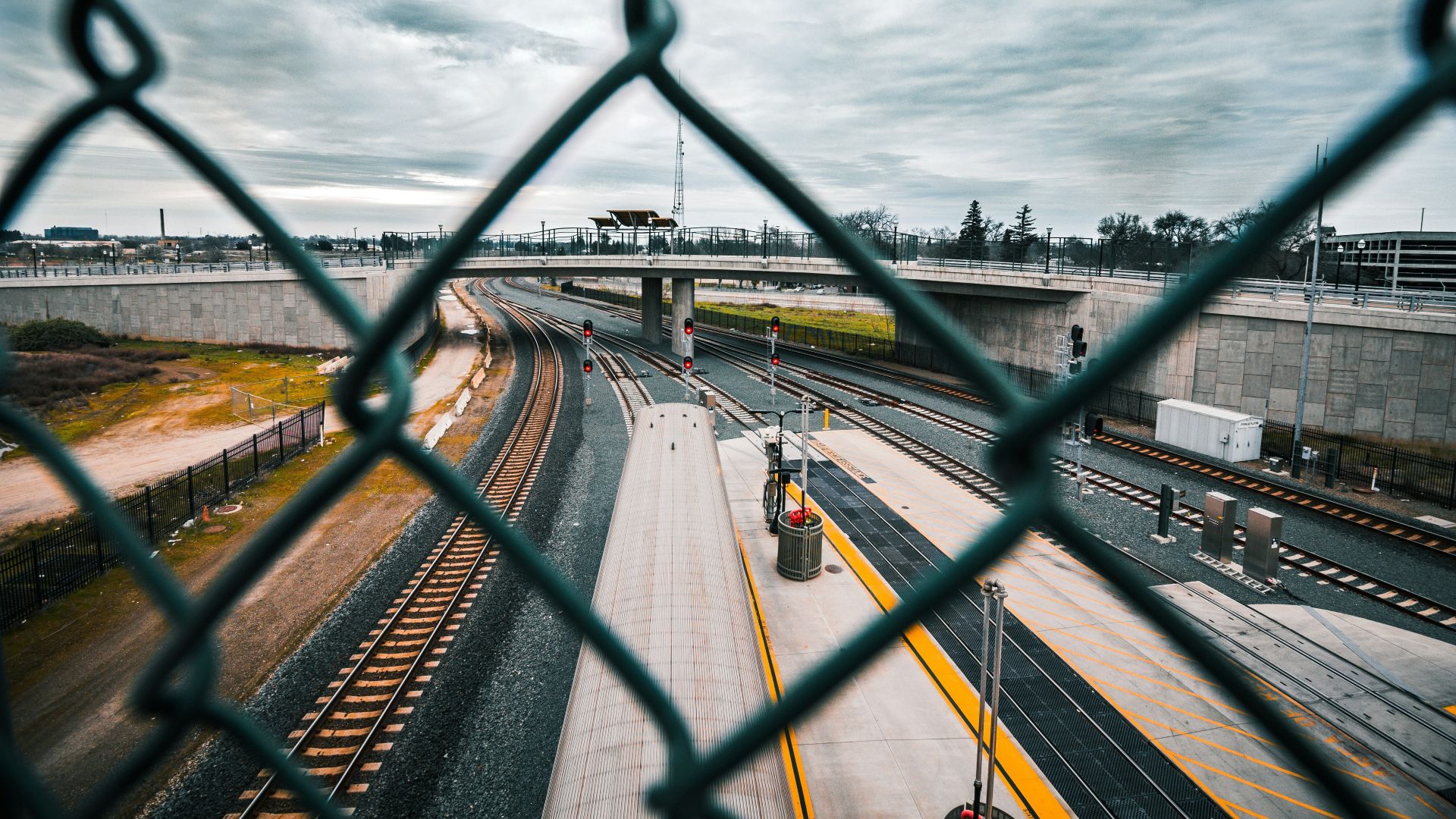
Trespass tops most railway risk lists. Let's explore trespasser types.
Read more
2026-04-08 · Daniel Pyke · 8min
Using DAS we can transform the railway from passive victim into active crime fighter.
Read more
2026-03-24 · Daniel Pyke · 8min
Do we need more sensors or more sense?
Read more