Ask any railway around the world what their biggest risks are and you’ll likely find trespass at, or near the top of their railway risk list.
Today we tackle six types of track trespass affecting railway networks today, and some thoughts on how adopting modern technology can address them. These include:
- Theft, Sabotage and Terrorism
- Vehicle and Animal Incursions
- Accidental Trespass
- Casual / Intentional Non-Malicious Trespass
- Vulnerable Users & Mental Crisis
- Graffiti and Vandalism
Railways are typically a vast, linear networks slicing through both urban environments and remote countryside too. This variety and openness leaves thousands of miles of track vulnerable to an unpredictable variable: unauthorised access, or as we’ll call it in this article, Trespass.
To tackle the thorny trespass topic, we should look past a generic definition of “unauthorised access” to try to understand the distinct motivations, behaviours, and risks it generates. By better understanding specific threats we can we deploy better mitigation strategies.
Not every trespasser has the same reason for being there.
We'll reflect on traditional anti-trespass techniques together with shining a light on a future where fiber optic technology can enhance trespass detection and be combined with other technologies to further enhance crime-fighting capabilities.
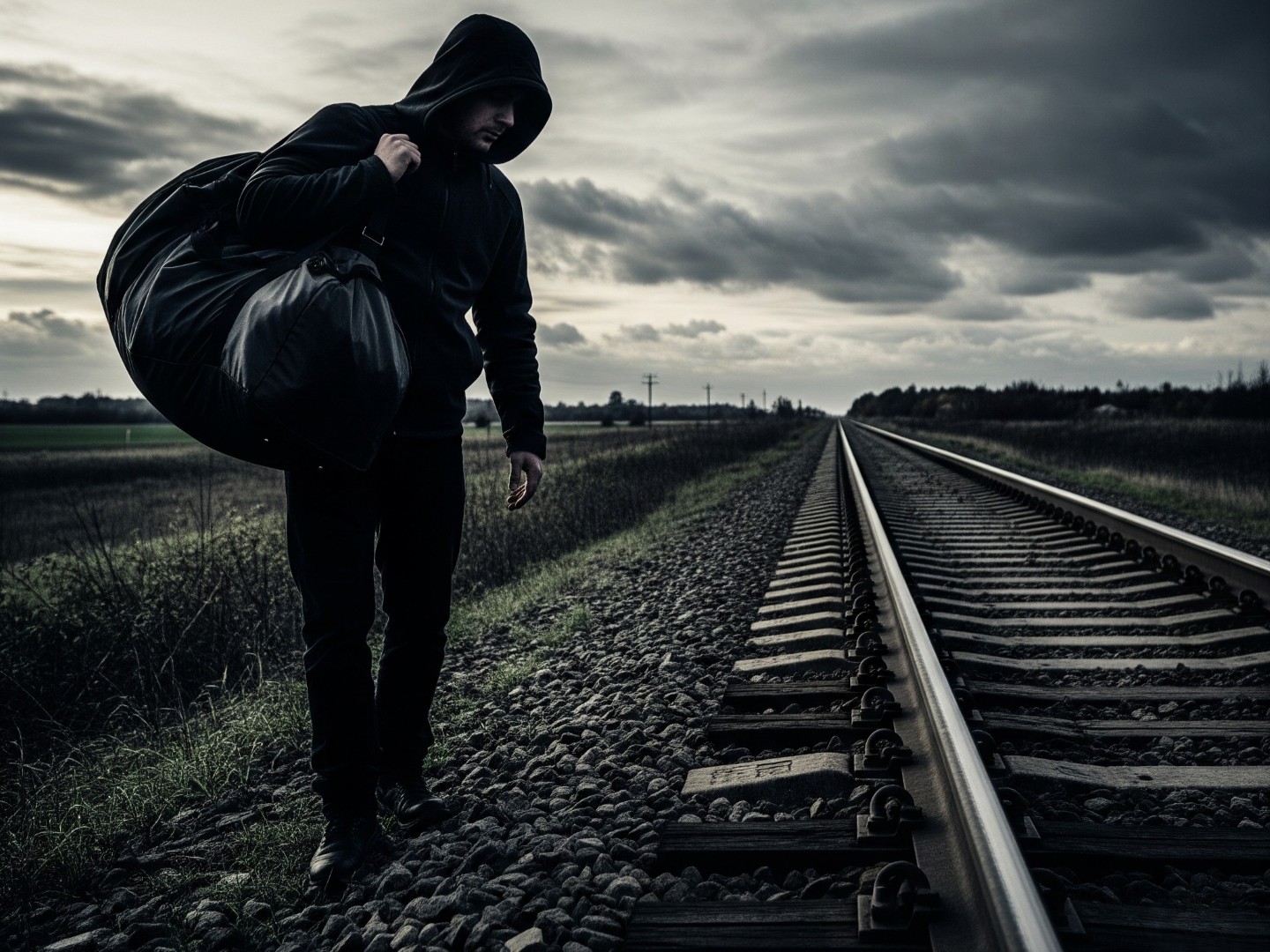
1. Theft and Sabotage: Evil Exploits
Railways are often targets for opportunistic thieves and organised criminal gangs alike. The primary target? Copper, but other metals and even trackside equipment have been targeted for financial gain.
Cable theft doesn't just result in a direct monetary loss in materials; it paralyses signalling and power systems, stalling routes, or crippling capacity for hours.
Malicious sabotage, tampering with signals or track, is the most terrible trespass tier, with the intention to cause catastrophic infrastructure delay, damage and even mass casualties.
2. Vehicle and Animal Incursions: High-Consequence Events
Not all trespass risks are human. Vehicle and animal incursions involve heavy objects, vehicles and animals ending up in the path of trains.
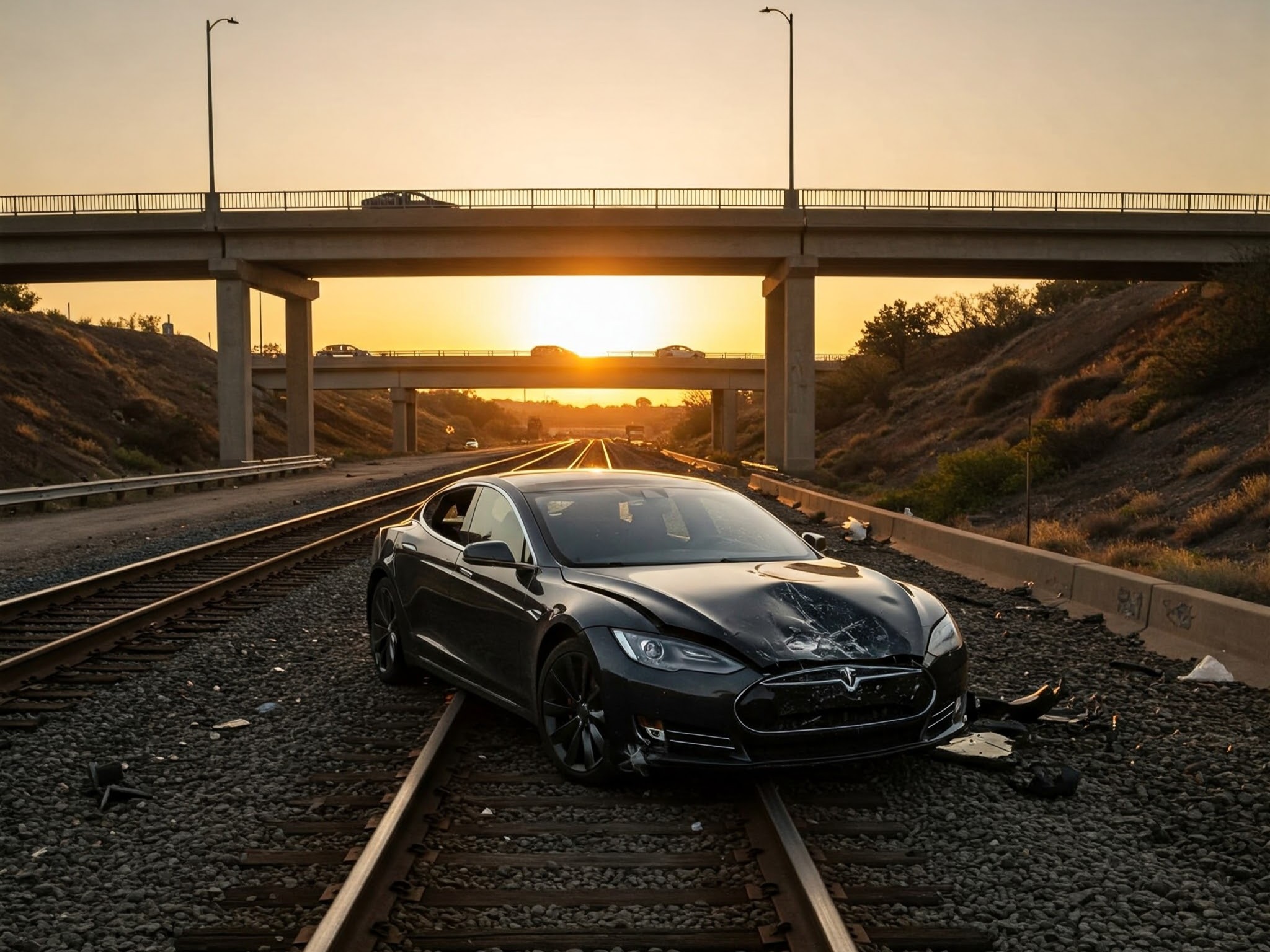
Vehicle Incursions:
An out-of-control road vehicle plunging down an embankment or crashing through a bridge parapet can trigger catastrophic multi-train derailments, such as the infamous Selby rail crash in the UK. Additionally, the global EV transition delivers heavier and higher accelerating Vehicles introducing an increased incursion risk together with more catastrophic consequences, as lithium-ion batteries carry severe fire hazards post-collision
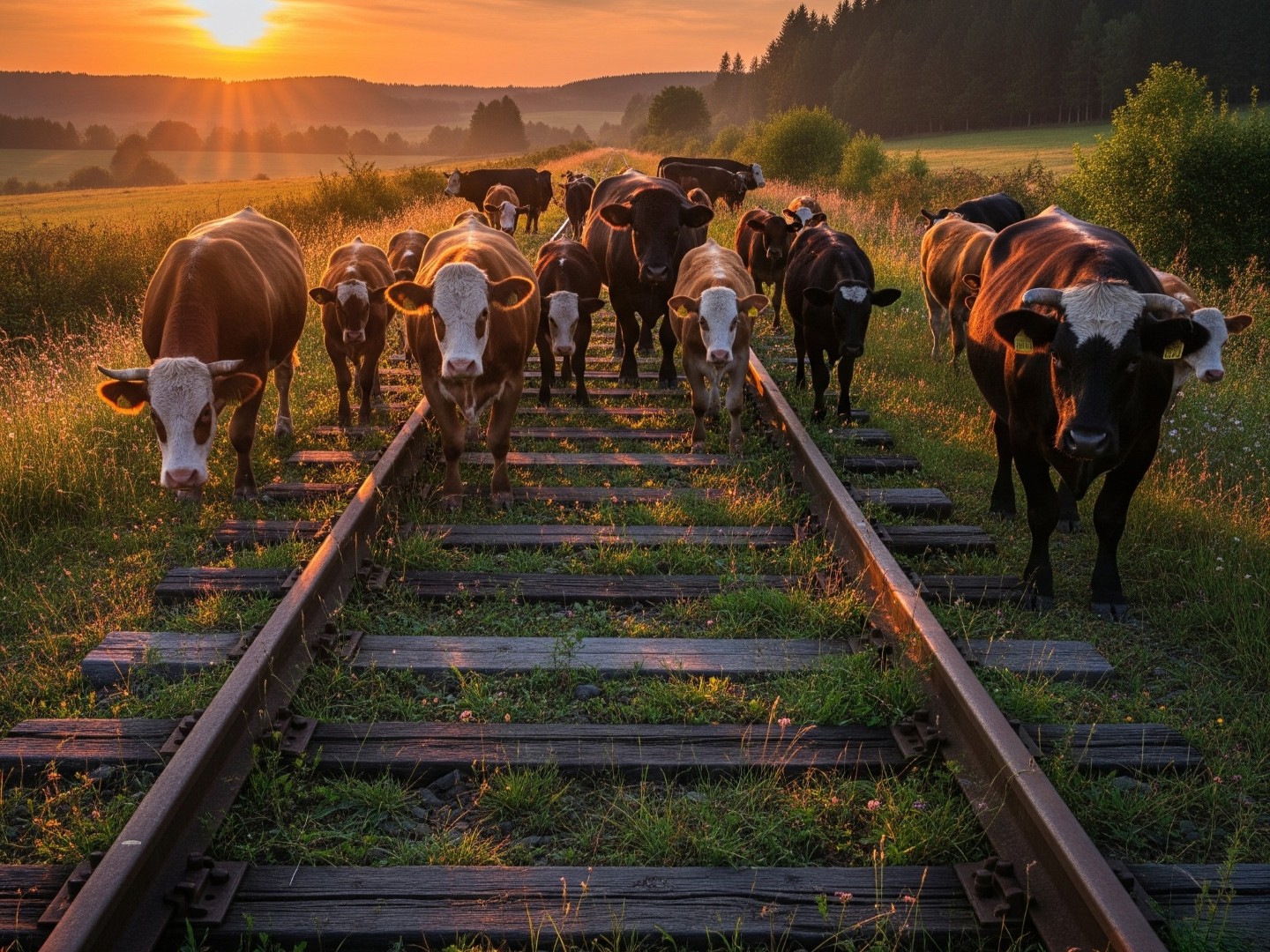
Animal Incursions:
Wildlife does not respect signage nor boundary fences. In regions with large fauna, such as elephants or herds of cattle, an incursion introduces thousands of kilograms animal onto the track. Elephants, which have poor eyesight and travel in family groups, present a unique security and conservation challenge that standard fencing simply cannot solve.
3. Accidental Trespass: The Awareness Gap
Accidental trespass occurs when individuals unintentionally enter railway property without realising the inherent danger. This is usually driven by a lack of clear signage, poorly maintained boundaries, or ambiguous borders between public paths and rail land.
While the risk is primarily to the individual rather than the network, the financial and legal fallout can be severe. For example, in 2021, a UK company was fined £6.5 million plus costs (~$8.7 million USD) for failing to adequately restrict access to a high-risk area, resulting in a tragic child fatality when the child tried to retrieve his football.
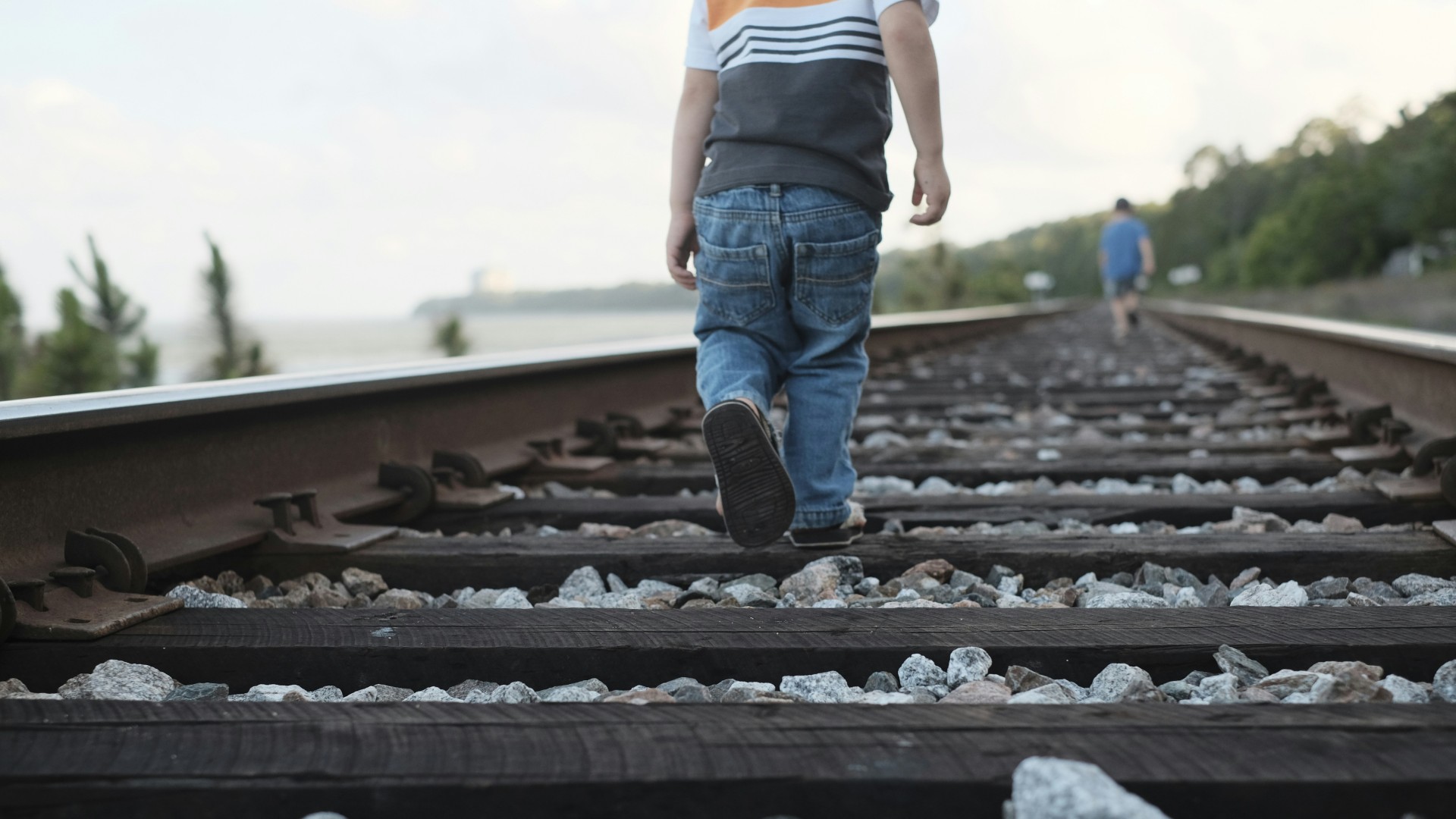
4. Casual Trespass: Clear and Complacent Danger
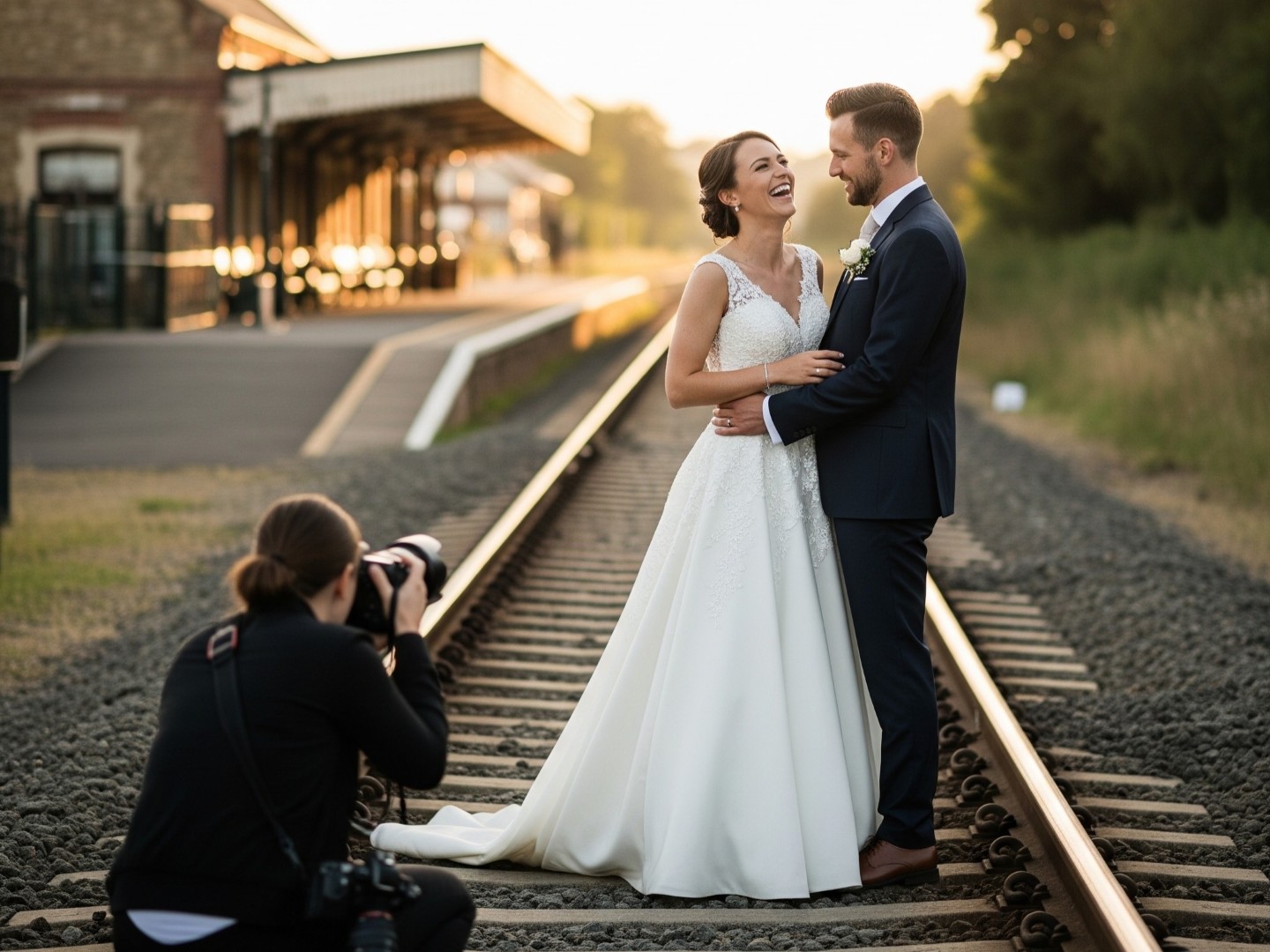
Casual trespassers make a conscious, but non-malicious, decision to step onto rail property. These are typically dog walkers, joggers, and photographers using tracks as shortcuts or scenic backdrops.
Because their intent isn't criminal, casual trespassers can show a dangerous complacency, assuming they will hear an approaching train and that there are time and room to escape.
5. Vulnerable Users: Drugs, Destitution and Despair
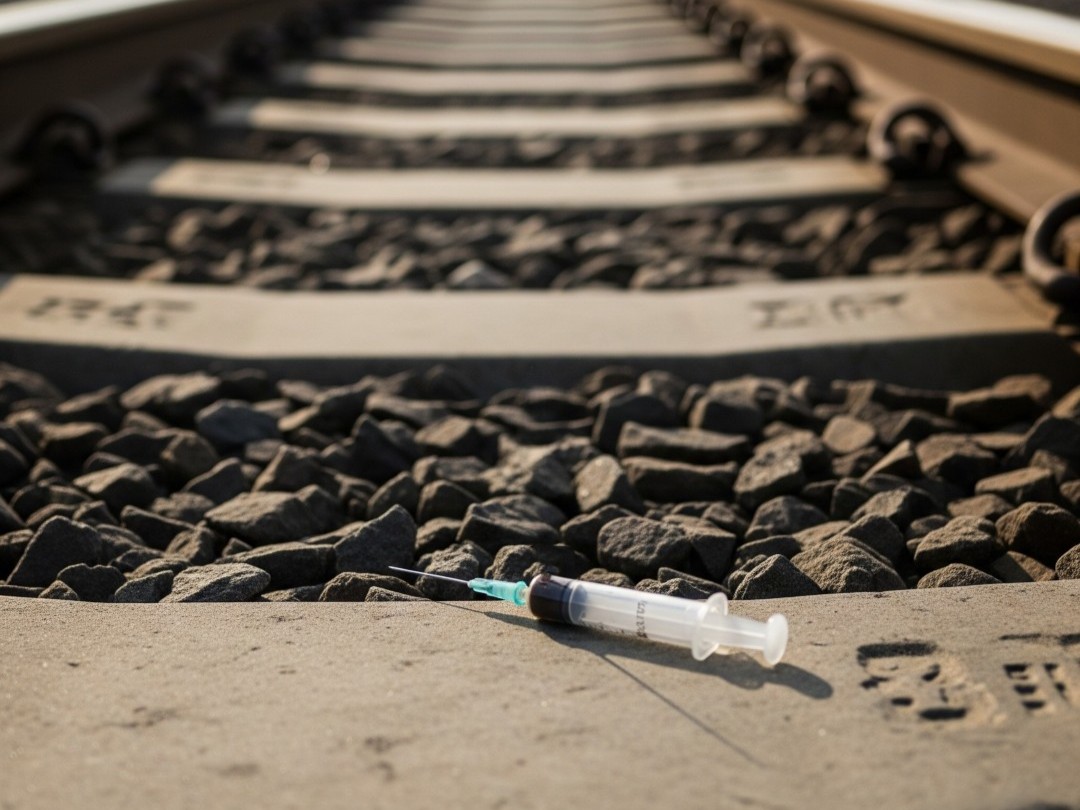
One of the most sobering challenges for rail security is dealing with vulnerable individuals, particularly those at risk of suicide or looking to hide illicit activities like drug misuse.
Because railways often feature isolated, unmonitored stretches, they unfortunately attract those in deep despair. Mitigating this type of trespass requires a highly collaborative, multi-faceted approach. Rail authorities must work closely with mental health organisations, local communities, and law enforcement to create crisis-intervention strategies while deploying early-detection systems in known hotspots.

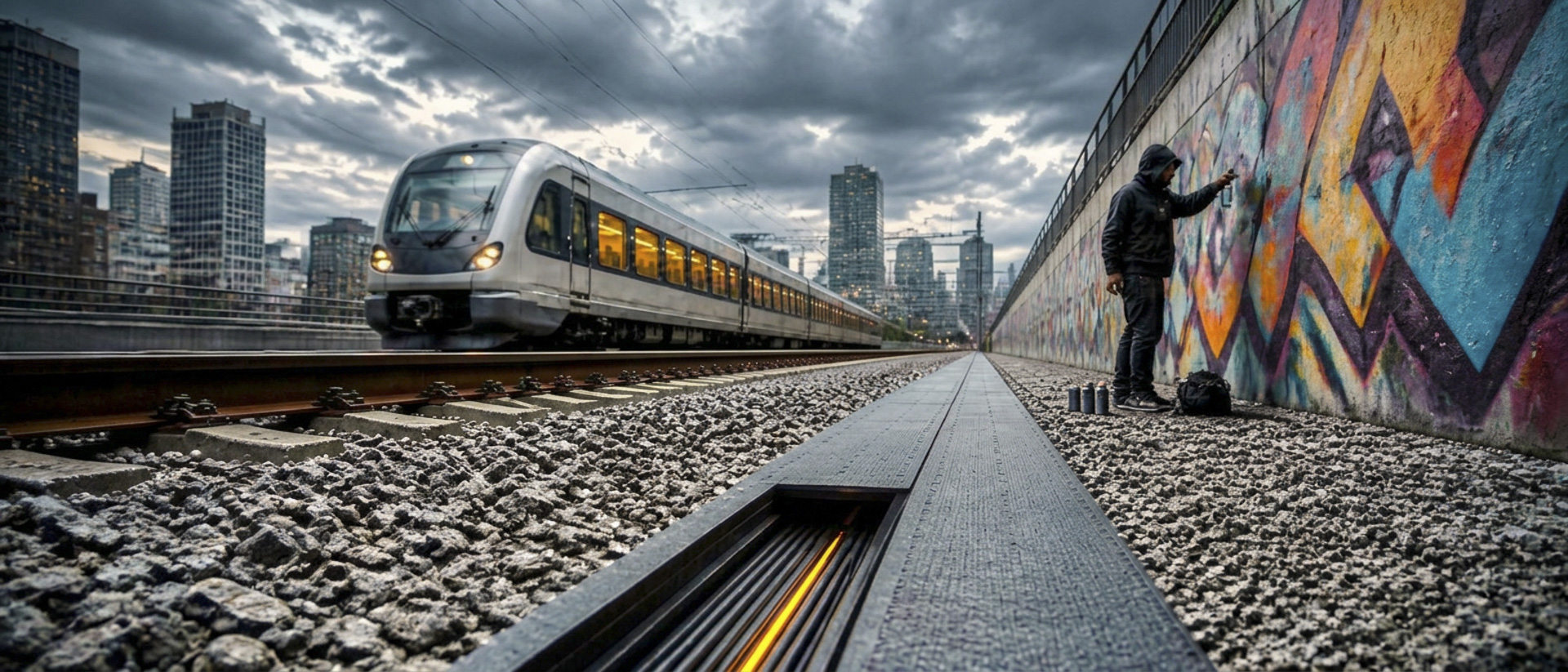
6. Graffiti: The Defacement Debt Drain
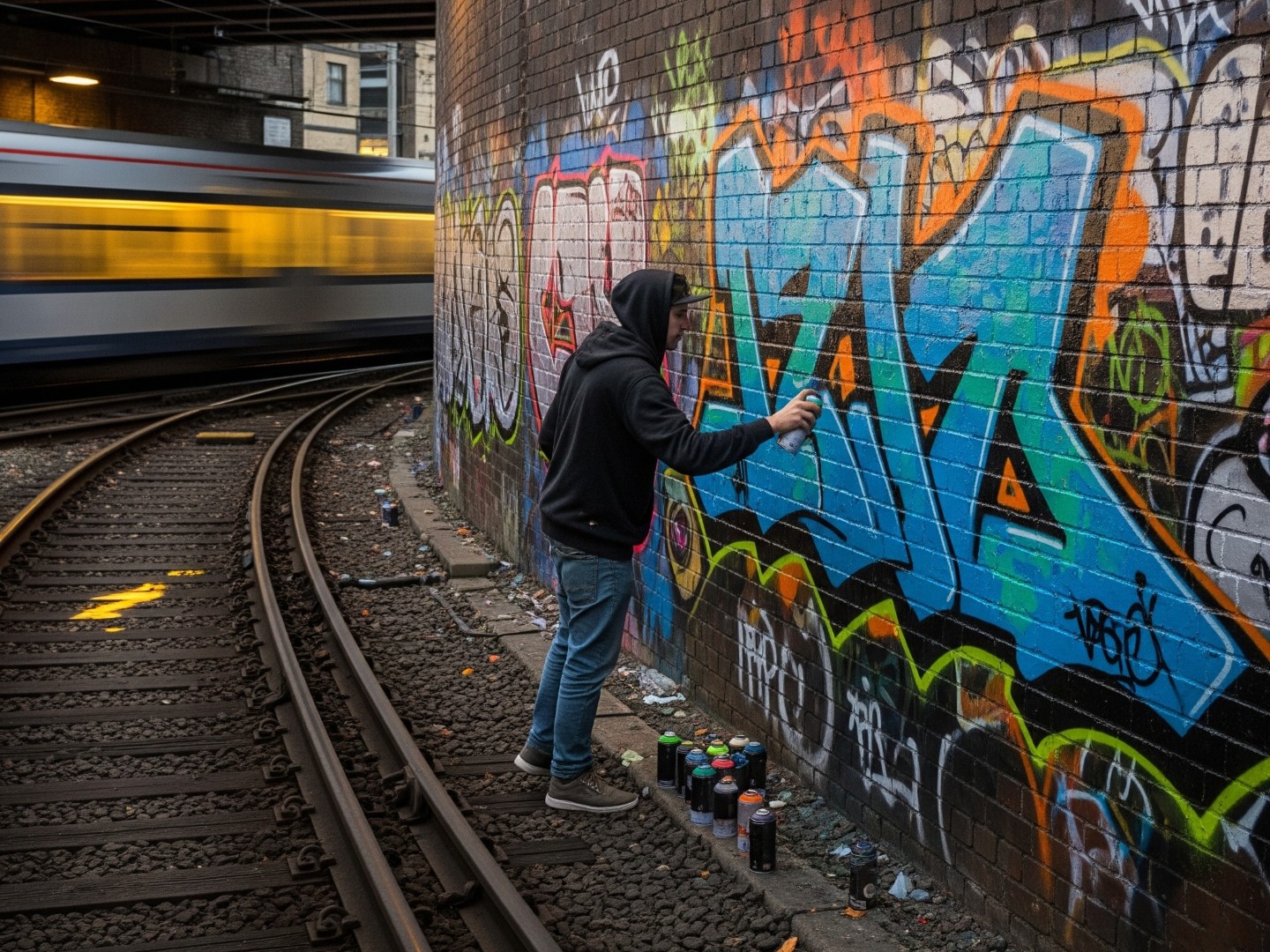
Whether viewed as artistic expression or outright vandalism, the monetary impact of graffiti on rail infrastructure can be eyewatering. The primary physical risk is to the "artists" themselves, who often invade active rail yards concealed with a cloak of darkness. However, the cleanup costs are massive, with millions of Euros being spent by each country repairing the damage caused, resulting in an ongoing drain on rail budgets.
Traditional Anti-Trespass Techniques
Historically, rail networks have relied on a standard toolkit of physical and psychological deterrents to keep people off the tracks. However, these traditional methods vary wildly in their effectiveness depending on who is trying to breach the perimeter and their intention: Not every trespasser has the same reason for being there.
- Fencing and Boundary Walls:
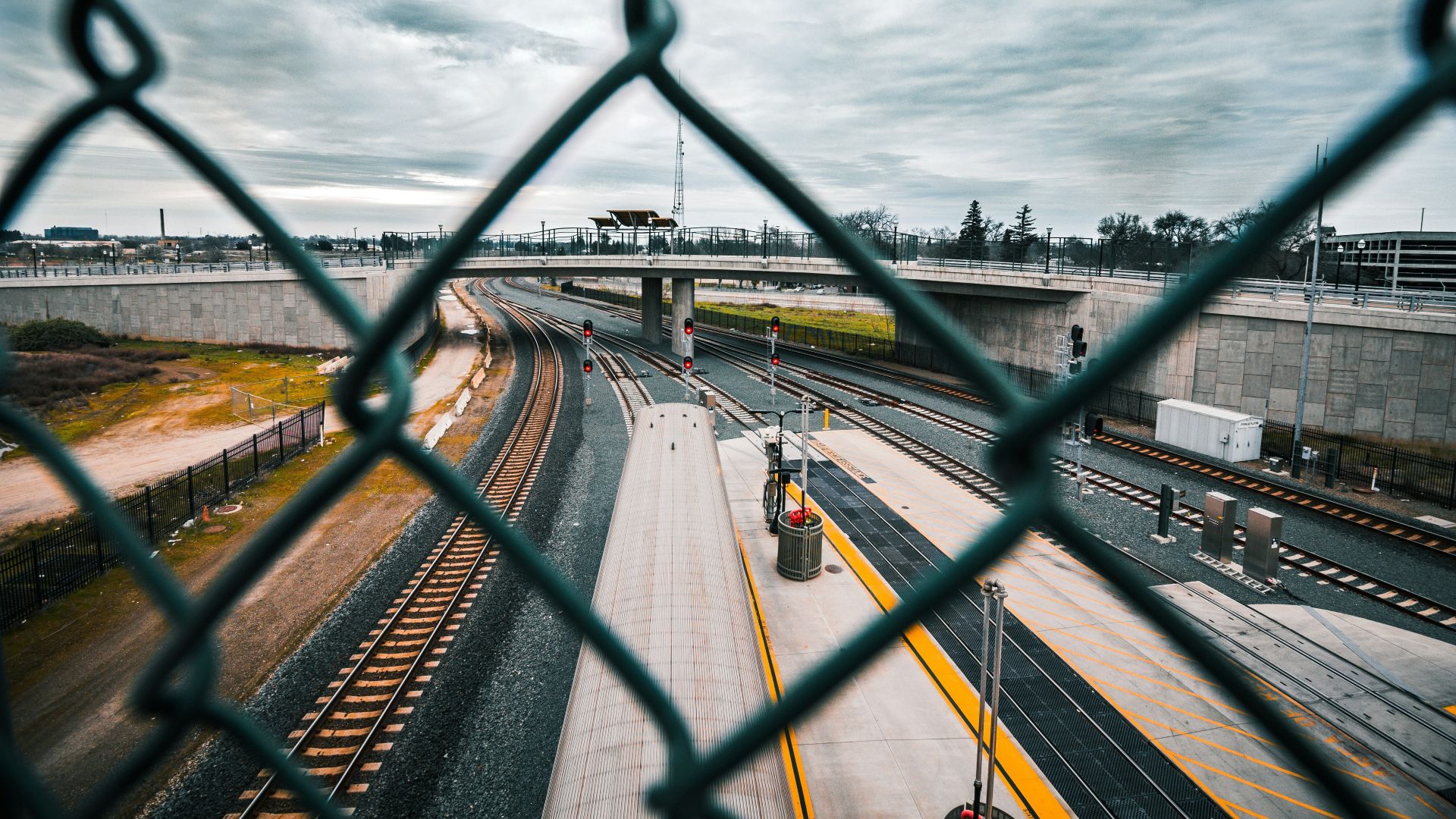
The most common line of defence. While highly effective at stopping Accidental and Casual Trespassers, standard chain-link or palisade fencing is easily bypassed by determined Thieves and Graffiti Artists. They are also a significant physical asset with costs to construct, inspect and maintain. - Anti-Trespass Panels:
These conical rubber mats or slatted wooden defences are installed at platform ends and level crossings to make walking physically difficult for people. They work well against Casual and Accidental Trespassers looking to take a shortcut but offer little deterrence against vehicle or animal incursions and criminals who bypass them.
- Warning Signs and Public Campaigns:
Relying on psychological deterrence. Signs work well for Accidental Trespassers who simply need a boundary reminder. However, they are often entirely ignored by Vulnerable Users, Thieves, or Animals. Public information and warning campaigns can quickly fade from memory.
- Static CCTV and Lighting:
Good for protecting high-risk urban targets like rolling stock depots against Graffiti Artists and Thieves if cameras are actively monitored 24/7. Unfortunately, static camera coverage and illumination is usually impractical for securing large areas of suburban or rural track.
Traditional security techniques create "hard spots" at high-risk locations – typically stations, road, and pedestrian crossings, but due to cost and coverage they leave much of the rail network exposed. So we ask; How can we defend the defenceless?
The Future: Continuous Sensing Going Beyond Boundaries
On a rail network spanning hundreds if not thousands of miles, maintaining a perfect physical perimeter is near impossible and extremely costly. Supplemental techniques help, but can usually only be justified at higher-risk locations such as stations or major crossings.
To best secure the modern railway, infrastructure owners may find it more effective to use Continuous Infrastructure Intelligence rather than Patchy Perimeter Protection.
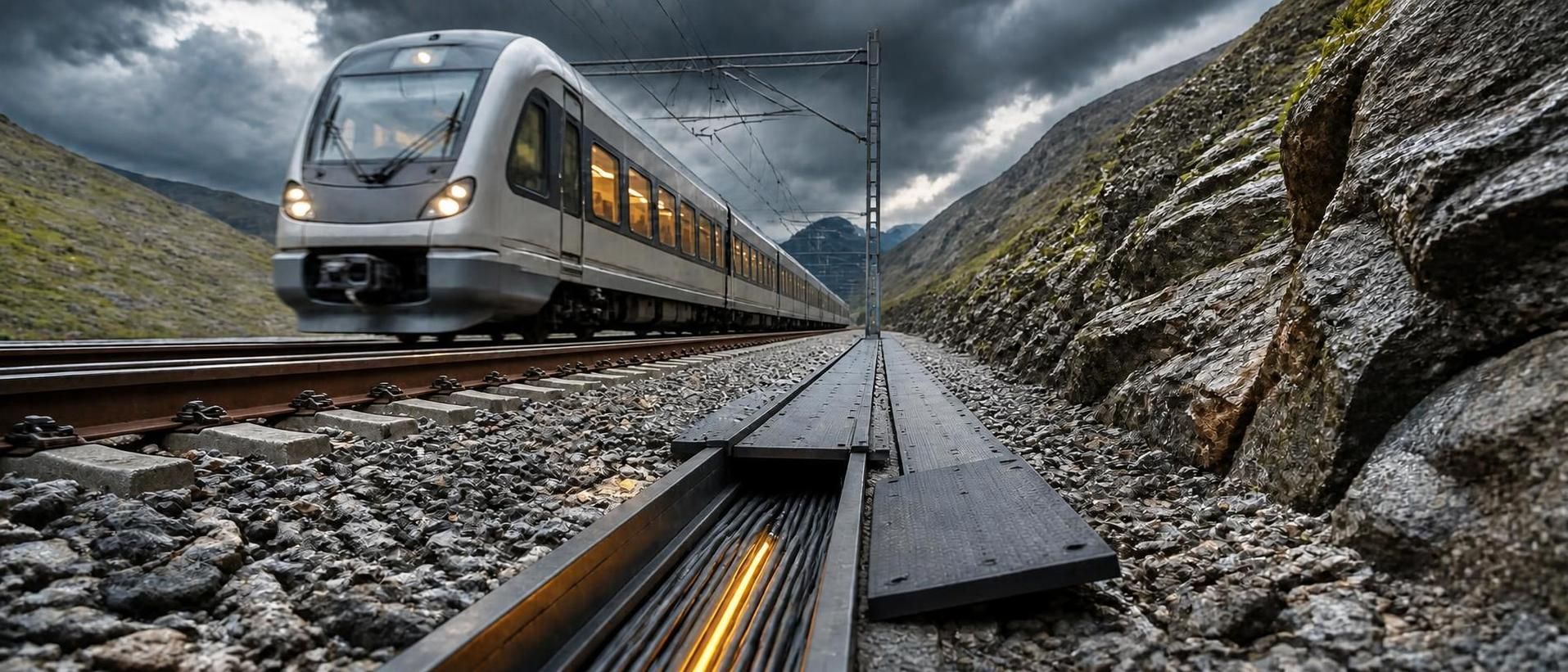
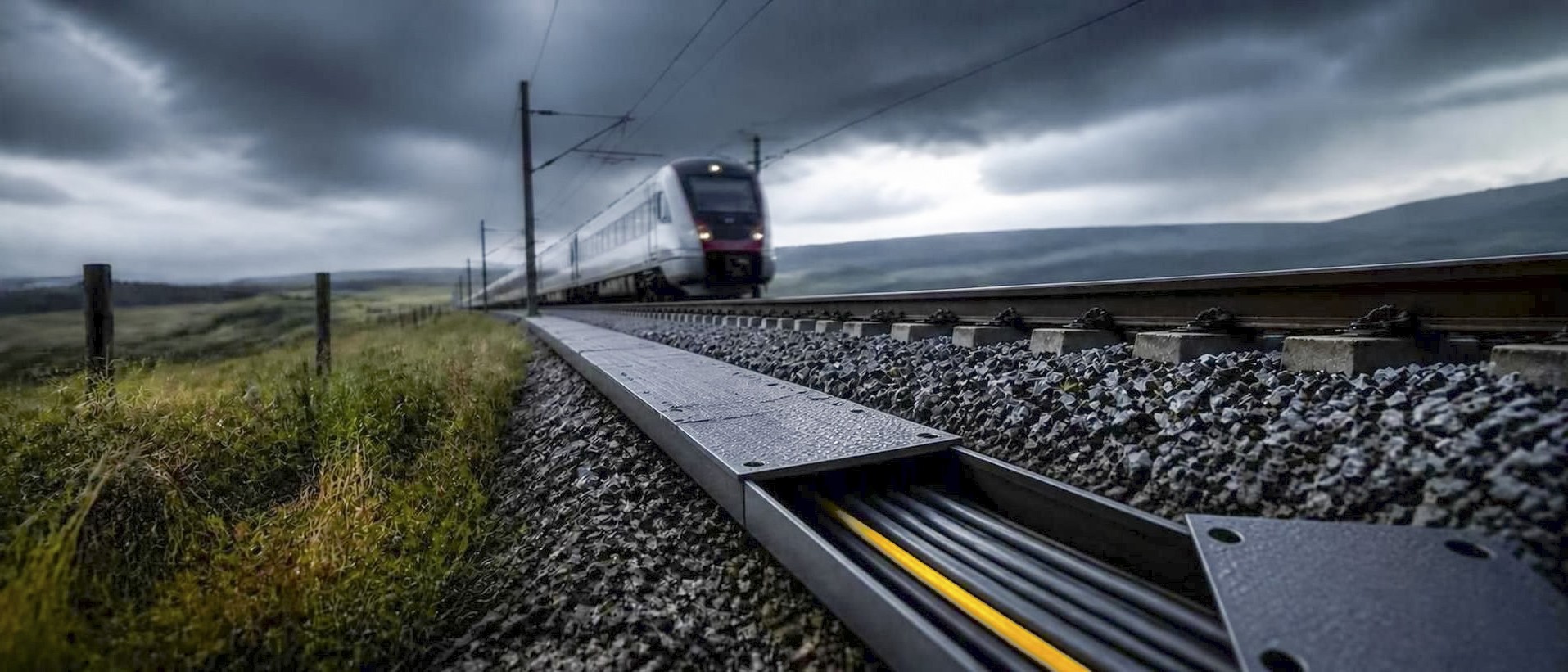
By adding Distributed Acoustic Sensing (DAS) technology, operators can transform standard fiber optic cables already running alongside the tracks into a highly sensitive, marathon-long microphone arrays.
DAS technology "listens" to the vibrations of the railway and everything on and around it. AI and Machine learning can be used to differentiate between a train passing, a person walking, an animal wandering, a cable being tampered with or stolen, a car crashing onto the track and even recognises hazards from nature such as such as landslides or rockfalls too. This delivers a powerful new anti-trespass tool to monitor and locate trespassers in real-time.
What is Distributed Acoustic Sensing?
How does it work?
AI enabled fiber optic acoustic vibration sensing technology allows railways to listen to entire routes, all at once, all the time, listening out for the first sounds of trouble. The technology delivers both activity and location information across entire rail routes enabling increased situational awareness and a more complete trespass defence.
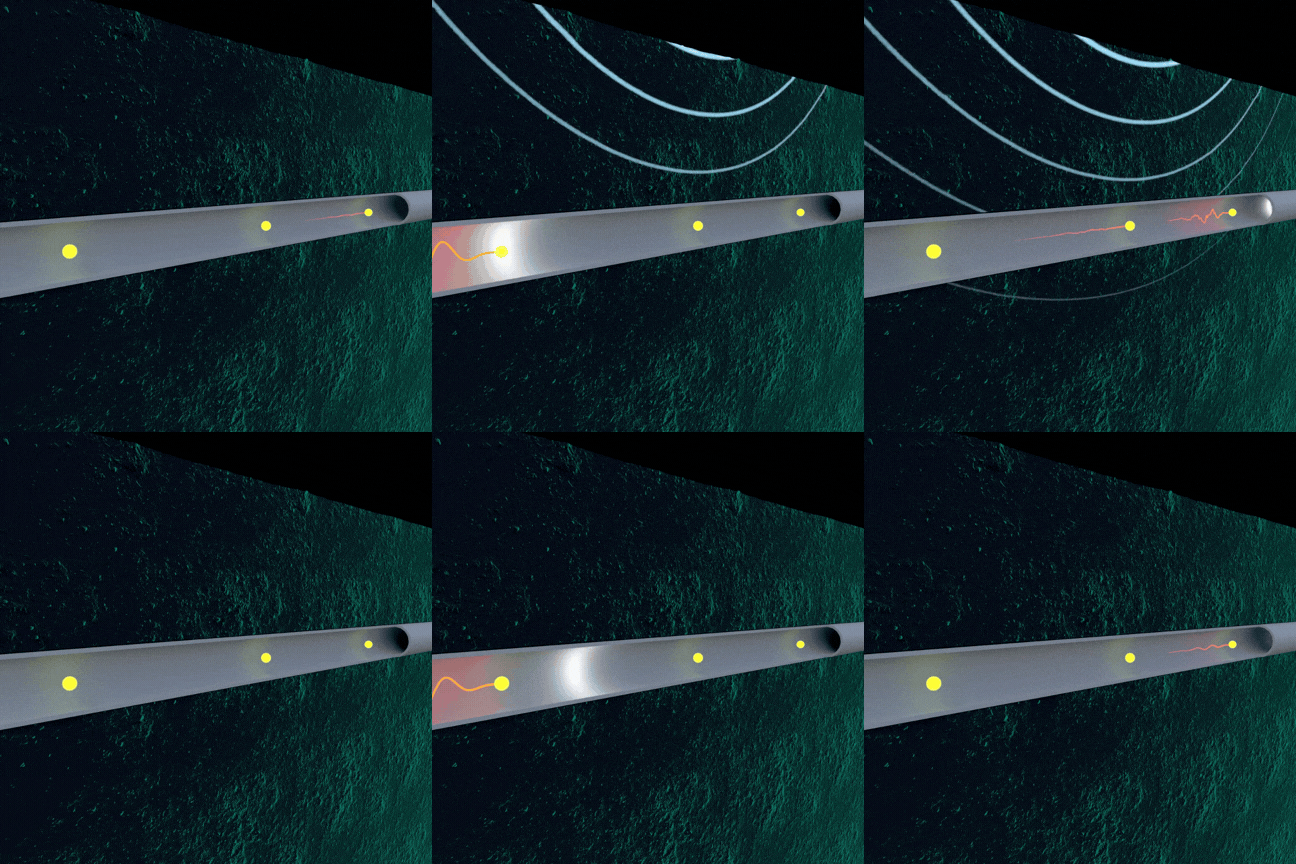
Knowing where and when trespass is occurring is vital to coordinate an effective response.
Combined Crimefighting: Joined Up Technology
By integrating DAS detection with other technologies such as CCTV cameras and drones, security teams can both receive and respond to real-time alerts. This technology fusion allows security teams to better assess impact and intent of trespass, enabling them to enact an effective response. Identifying and locating trespass is a key first step but having a sensor fusion with added data sources enables better decision making and a more efficient response. It helps security teams to:
- Intercept a cable thief.
- Halt a train before it reaches obstructed track.
- Schedule a maintenance team to repair a damaged fence used by someone taking a shortcut home.
- Dispatch staff to counsel someone in mental crisis.
- Slow a train to avoid animal impact.
- And much, much more.
Trespass Technology Conclusion
Securing a railway comprehensively from trespass of types requires moving away from a one-fence-fits-all security strategy using smart infrastructure to deliver more comprehensive threat detection. If you do not know where your trespass threats are, how can you efficiently manage them? By detecting everywhere along the rail corridor and categorising trespass activities in real-time, infrastructure managers can deploy smarter, better targeted and more effective interventions.
Combining advanced fiber optic sensing with both traditional and modern techniques allows modern railways to listen for and respond proactively to trespass events protecting their passengers, assets, the public and their bottom line.
Find more on Distributed Acoustic Sensing
for Railway Security