


For decades, the rail industry has played a frustrating game of cat and mouse with cable thieves. It’s a lopsided battle: Thousands of kilometres of remote trackside, often shrouded in darkness, providing easy pickings for organised crime gangs targeting high-value copper.
The cost to the industry is staggering, not just in the millions spent on replacement materials and labour, but in the catastrophic ripple effects of delays to passengers and freight, cancellation of revenue earning rail services, and compromising customer confidence in railway reliability.
For too long, cable infrastructure has been hunted, It’s time to turn the hunted into the hunter.
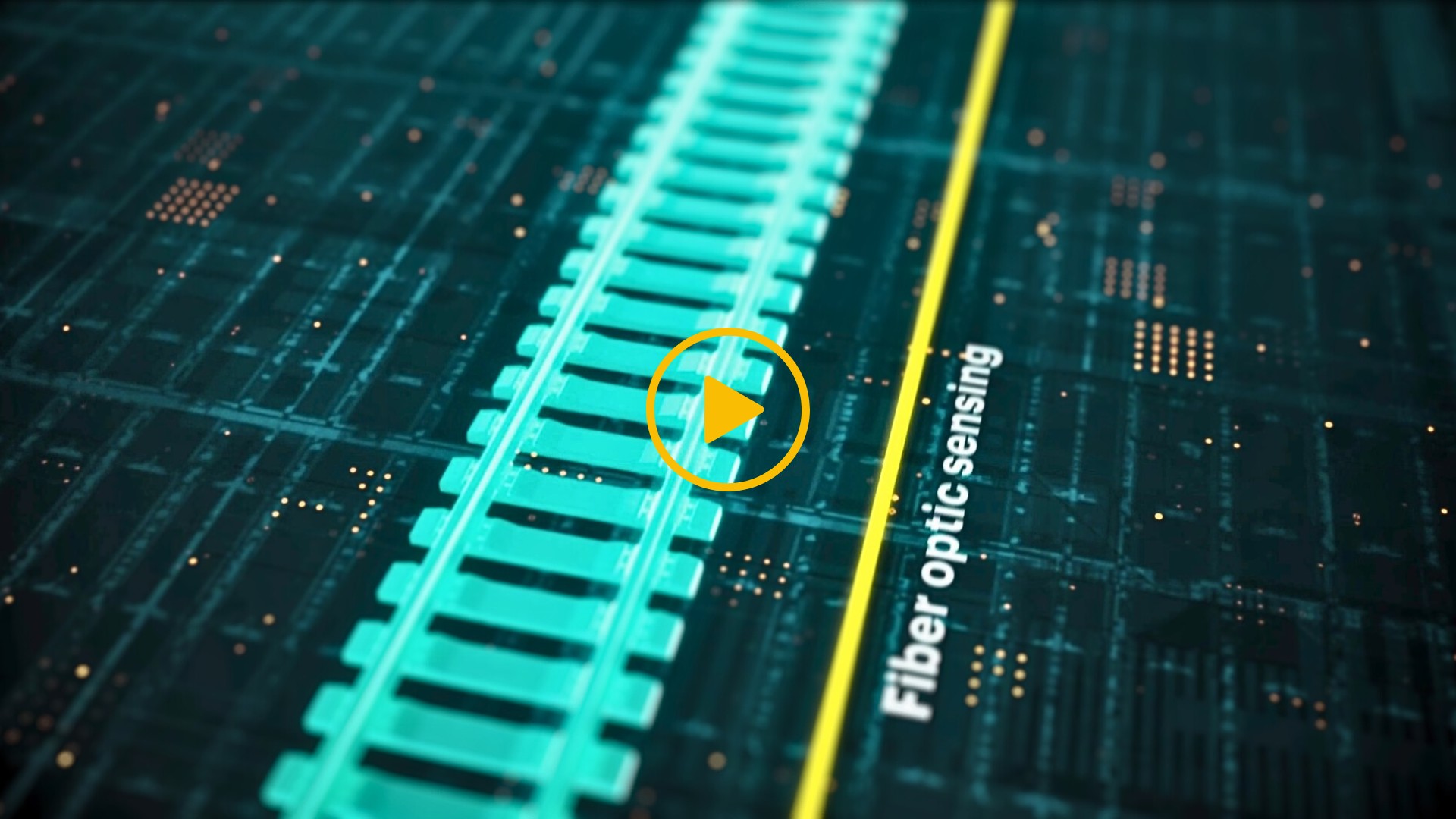
Using Distributed Acoustic Sensing (DAS), we can transform the railway from passive victim into an active crime hunter. DAS turns an optical fiber from data transfer tube, into an active acoustic sensor monitoring the railway along its length listening to events on and around the rail corridor. We can listen out for trouble.
The End of the "Blind Spot"
A fundamental challenge of cable theft is the detection "blind spot". Traditional cable alarm systems only trigger once a cable has been cut and the circuit is broken. By then the asset is damaged and cable thieves are making their getaway, leaving behind a trail of track trouble.
Sensonic DAS changes the theft timeline. By utilising fiber optic cables, often already often sitting alongside the trackside copper cables thieves target, we turn the entire cable route into a continuous sensing network – an ever-listening “ear to the ground” listening out for trouble, everywhere along the route, 24/7.
-
Pre-Incident Detection:
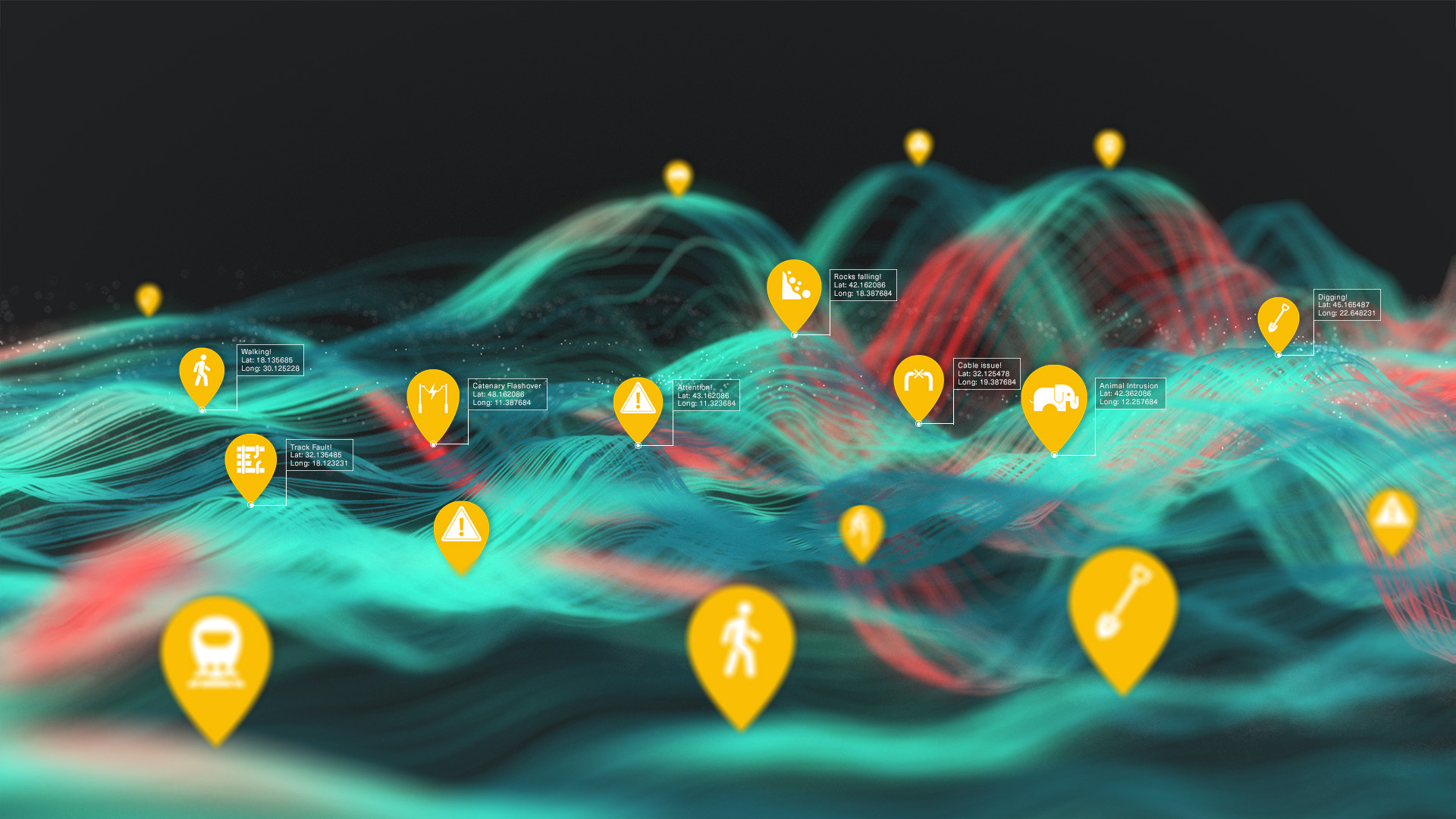
DAS doesn't need to wait for the cable cut. It hears the thuds of spades digging, the vibration of a trough lids being opened, and even the footsteps of approaching trespassers. Thieves often prepare the site in advance of cutting the cable to give them the best chance of escape. Detecting these precursor activities delivers the opportunity to intervene early, before cables are cut. -
Real-Time Precision:
DAS doesn't just reveal that someone is tampering with cable; we know exactly where they are too. Sensonic technology pinpoints the cable activity to within a few metres, in real-time, across tens of kilometres (up to 80km/50miles). That timely location information allows an accurate targetted response. We no longer have to trace a fault between station A and B. We know activity has occured 50m south of access point AD27.
From Awareness to Action: Ready Rapid Response
Knowing when and where a cable theft incident is happening is half the battle. A half that we historically regularly lost. However, with DAS providing improved intelligence we can now adopt a "Hunter" mindset. This proactive stance requires a decisive response to turn the victim into the victor. As DAS technology can provide accurate GPS locations of the tampering event the moment it begins, rail security and operations teams can swap their conventional "find and fix", reactive posture to a more proactive intercept, intervene and ideally incarcerate approach.
- Automated Drone Dispatch
The second a suspicious vibration signature is identified; Sensonic can automatically trigger "drone-in-a-box" technology to respond. These remote sited and potentially fully autonomous drones can be dispatched directly to the exact coordinates provided by the DAS system, arriving on-site within seconds or minutes to gather evidence. The drone can provide live video feeds including thermal imaging to detect intruders in complete darkness, and they can even deliver audio announcements as a warning to deter further activities. The combination of innovative technologies delivers "eyes in the sky" as well as "ears to the ground". - Precision Security Deployment
Instead of security forces patrolling historic crime hot-spots or arriving at a broad incident zone trying to trace the location of cable crime long after the damage is done, teams can now be guided straight to the exact incident location on the map. This surgical precision increases the likelihood of apprehension. As word gets around the criminal gangs that response times and accuracy have a step-change improvement this serves as a powerful future deterrent too.
How Can DAS Secure Your Rail Route?
As rail networks and the territory they operate in vary significantly, take a momenty to imagine how it could work for your network. Below is a little inspiration of how it can work in an urban railway, so contact us to discuss your requirements.
Scaling Security Without Making Maintenance Mountains
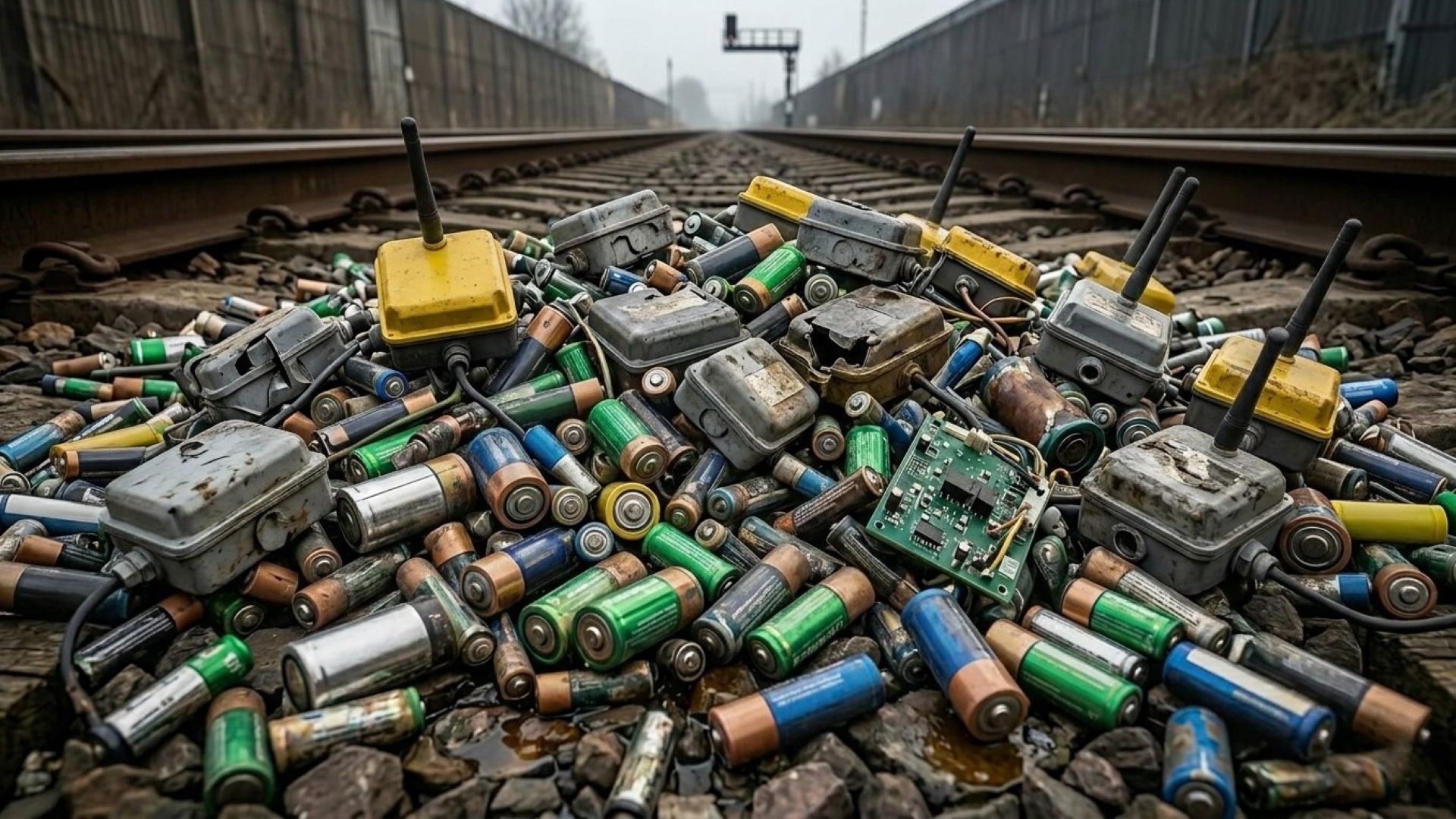
Perhaps the greatest advantage of turning your fiber assets into a security sensor network is scalability. Unlike CCTV cameras that require power, line-of-sight, communications and cleaning to deliver just a few hundred metres of detection, you can protect up to 80km of route with a single DAS unit. There are no batteries to change, no sensors to install and maintain, DAS is entirely passive trackside. Being effectively just another railway cable, DAS can also be be completely covert, providing invisible yet unavoidable protection.
DAS provides the ability to:
- Solve an expensive and disruptive problem that has plagued railways for decades
- Use pre-existing infrastructure to deliver new sensing capability
- Unlock security that scales within the challenging constraints of the railway
- Add security protection without adding significant asset or maintenance requirements
- Protect every metre and mile of your cable assets
Turning the Tables on Cable Theft
The era of railways being an "easy target" for metal thieves can end with your help. By integrating DAS into the heart of railway security, we can provide the tools to catch thieves in the act, or better still, before the act even occurs. We can move beyond costly “find and fix” into the realm of total network intelligence and protection.